
Add Row
Add Element
Chambers First Class Connections Kansas City
update
Healthy Living
Kansas City
 
update
Add Element
  • Home
  • Categories
    • Business Directory
    • Mental Health & Wellness
    • Destination Spas & Health Resorts
    • Best Vitamins & Supplements
  • Beauty News
    • Beauty & Skincare
  • Fitness & Physical Wellness
    • Yoga & Classes
    • Sports & Outdoor Recreation
    • Chiropractic & Physical Therapy
    • Personal Training & Coaching
    • Fitness & Exercise
    • Fitness For Seniors
    • Fitness
  • Restaurants & Nutrition
    • Restaurants
    • Diet and Nutrition Tips
    • Supplements & Superfoods
    • Farmers' Markets & Local Food
  • Healthy Living & Enviorment
    • Air and Water Purification
    • Healthy Home & Enviroment
    • Substainability & Green Living
June 11.2025
2 Minutes Read

Why Skipping Salt for Potassium Chloride Could Save Your Health

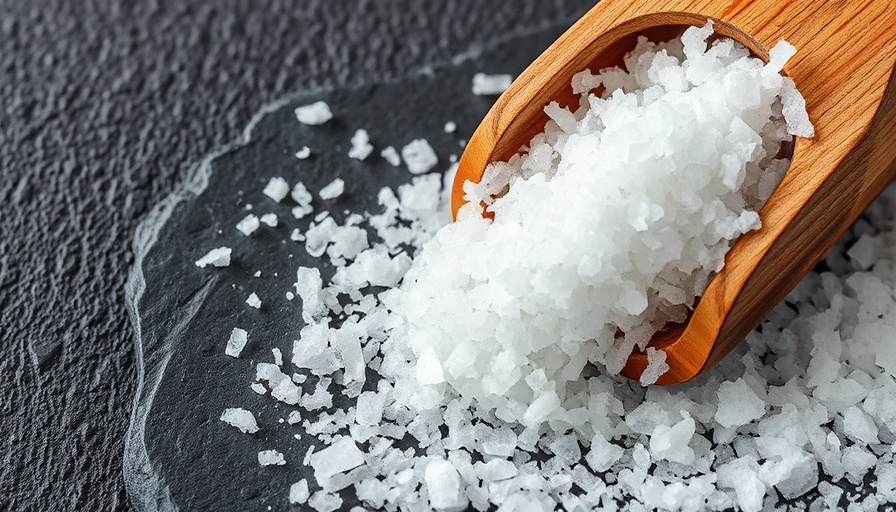
Coarse salt crystals overflowing wooden scoop on slate surface.

The Unseen Dangers of Our Salty Habits

A startling reality lingers beneath the surface of our diets: while we may think of physical inactivity as a leading contributor to health decline, our food choices, particularly our sodium intake, are far worse. Shockingly, recent findings suggest that unhealthy dietary habits remove around 10 million years of healthy life globally. Diets laden with high levels of salt are the culprit, making it clear that something must change.

The Potassium Paradox

Amidst increasing sodium consumption, an alarming trend emerges: the under-consumption of potassium. It's not just that we are indulgent with salt; we are neglecting an essential nutrient critical for heart health and blood pressure regulation. Genetic evolution afforded our ancestors an impressive intake of significant amounts of potassium. Today's average American barely scratches the surface of those nutritional needs. Is our shift toward heavily processed foods stripping us of this precious element?

Salt vs. Potassium: Why Balance Matters

Infamously dubbed a “silent killer,” high blood pressure poses the highest risk of cardiovascular diseases today, further exacerbated by our imbalanced diets. The American Heart Association suggests limiting sodium intake to 1,500 milligrams. Despite this recommendation, nearly 99% of Americans go beyond this limit. Potassium, conversely, acts as a counter-balance to sodium's effects, which is why maintaining a healthy intake of potassium-rich foods—fruits, vegetables, and whole grains—is essential.

Take Charge of Your Plate

In light of these findings, it’s crucial to reevaluate our dietary habits. Shifting from processed fare to wholesome fruits, vegetables, and whole grains will align us back to healthier dietary norms. Educating our communities about making smart food choices can pave the way toward a healthier society. Are you ready to embrace this change and put your best fork forward?

Fitness

10 Views

0 Comments

Write A Comment

*
*
Please complete the captcha to submit your comment.
Related Posts All Posts
03.19.2026

Discover How Foods Trigger Inflammation and What to Avoid

Update Understanding How Foods Can Trigger Inflammation Have you ever noticed that some foods make you feel tired or achy? It’s not just your imagination! Certain foods can actually cause inflammation in our bodies, making us feel pretty crummy. But what does that mean? Inflammation is the body's response to injury or infection. However, when it's triggered by what we eat, it can lead to problems like allergies, arthritis, or even heart disease. Let's explore some common food culprits! Foods That Might Cause Trouble Many people are surprised to find out that sugar is one of the biggest offenders. Foods like candy, soda, and pastries can lead to inflammation. Another scary food is processed meats, like hot dogs and bacon. They may taste delicious, but they can cause all kinds of issues. Sticking to whole foods can help! Fruits and vegetables are our friends because they have natural anti-inflammatory properties. Foods like berries, spinach, and almonds are good choices. The Importance of Healthy Choices Making healthier choices is more than just avoiding inflammation—it’s about feeling good every day! Eating lots of colorful fruits and veggies can boost your energy and mood. Swapping out sugary snacks for something healthier can really change how you feel. Remember, it might take some time to notice the effects, but being mindful of what we eat can make a huge difference in our overall health. Ask your parents to help you make changes to your diet, so you can feel your best!

03.18.2026

Which Foods Trigger Inflammation? Discover the Facts and Tips

Update Understanding Inflammation in Our Bodies Inflammation is a natural response that helps our body heal and protect itself from harmful agents. It appears when we injure ourselves or get sick, like when we catch a cold and our bodies create extra heat. However, if inflammation sticks around too long, it can lead to serious health issues like diabetes and heart disease. Foods That May Cause Inflammation Eating certain foods can trigger this prolonged inflammation, often without us realizing it. Highly processed and sugary foods are the biggest offenders. Common culprits include potato chips, sugary sodas, and baked goods. According to the UChicago Medicine sources, foods rich in trans fats, added sugars, and processed meats can increase our chances of developing chronic inflammation. Stick to foods you can easily recognize and pronounce—if it's filled with chemicals, it's usually not good for your health. The Role of Diet in Inflammation Fortunately, what we eat can also help fight inflammation. A plant-based diet, which is packed with fruits, vegetables, nuts, and whole grains, offers a healthier option. For instance, foods high in antioxidants like nuts and olive oil help reduce inflammation. Research from the Cleveland Clinic supports this, suggesting that a balanced intake focused on whole foods is key to managing our body’s inflammation levels. Tips for Reducing Inflammation Through Diet Making small changes in your daily meals can have a big impact. Try replacing white bread with whole grain, or swap soda for sparkling water with a splash of lemon. Incorporating more fish into your meals rather than red meat can also help. Remember, it’s about long-term choices rather than quick fixes. It’s like planting seeds for healthier habits that will grow over time. Conclusion: Making Informed Choices for a Healthy Life By understanding the relationship between what we eat and inflammation, we can choose foods that support our health. Balanced diets rich in anti-inflammatory foods can lead to a happier, healthier life. This way, we can shield ourselves from the harmful effects of chronic inflammation while still enjoying delicious meals.

03.11.2026

How Whole Plant Foods Can Help Prevent Cancer and Boost Health

Update The Power of Whole Plant Foods in Cancer PreventionCancer remains a leading cause of death in the United States, and increasing evidence supports the role of plant-based foods in prevention. Studies suggest that diets rich in fruits, vegetables, legumes, and whole grains can help reduce the risk of various cancers.Understanding Plant-Based DietsA plant-based diet focuses on consuming predominantly whole, minimally processed foods, emphasizing fruits, vegetables, nuts, seeds, and grains. This diet is not necessarily about eliminating animal products altogether but rather about prioritizing healthy, plant-derived nutrients that support long-term health. For instance, compounds such as sulforaphane found in broccoli are noted for their ability to inhibit cancer cell growth, firmly establishing plants in the fight against cancer.Why Whole Foods MatterResearch indicates that whole plant foods go beyond just one or two nutrients; they are packed with complex compounds that work synergistically to boost health. Phytochemicals, vitamins, and minerals in fruits and vegetables have been shown to play critical roles in reducing inflammation, supporting the immune system, and limiting cancer risk. For example, fiber—a nutrient only found in plant foods—helps in maintaining digestive health and can lower cholesterol levels, further contributing to cancer prevention.Real-World BenefitsStudies have shown that individuals who consume more fruits and vegetables tend to have lower rates of common cancers such as breast and colorectal cancer. Additionally, during treatments like chemotherapy, a plant-based diet can help alleviate some side effects, providing tailored nutrition to meet individual needs. Dietitians often help patients navigate their nutritional intake, ensuring they are meeting their protein and mineral requirements while undergoing treatment.How to Start Eating More PlantsTransitioning to a more plant-centered diet doesn't have to be a daunting task. It can start with simple changes: try adding a serving of vegetables to each meal, experiment with meatless protein sources like beans or lentils, and replace sugary snacks with whole fruits. Even small adjustments can lead to significant health improvements.Conclusion: Empower Your HealthEmbracing whole plant foods not only aligns with a healthful lifestyle but can empower individuals in reducing cancer risk. A consistent focus on whole foods can foster long-term wellness, enhancing quality of life while supporting overall health. For comprehensive guidance, consider consulting a nutrition expert.

Terms of Service

Privacy Policy

Core Modal Title

Sorry, no results found

You Might Find These Articles Interesting

T
Please Check Your Email
We Will Be Following Up Shortly
*
*
*