Add Row
Add Element
Chambers First Class Connections Kansas City
update
Healthy Living
Kansas City
 
update
Add Element
  • Home
  • Categories
    • Business Directory
    • Mental Health & Wellness
    • Destination Spas & Health Resorts
    • Best Vitamins & Supplements
  • Beauty News
    • Beauty & Skincare
  • Fitness & Physical Wellness
    • Yoga & Classes
    • Sports & Outdoor Recreation
    • Chiropractic & Physical Therapy
    • Personal Training & Coaching
    • Fitness & Exercise
    • Fitness For Seniors
    • Fitness
  • Restaurants & Nutrition
    • Restaurants
    • Diet and Nutrition Tips
    • Supplements & Superfoods
    • Farmers' Markets & Local Food
  • Healthy Living & Enviorment
    • Air and Water Purification
    • Healthy Home & Enviroment
    • Substainability & Green Living
March 11.2025
3 Minutes Read

Understanding Potatoes: The Hidden Truth About Diabetes and Blood Pressure Risk

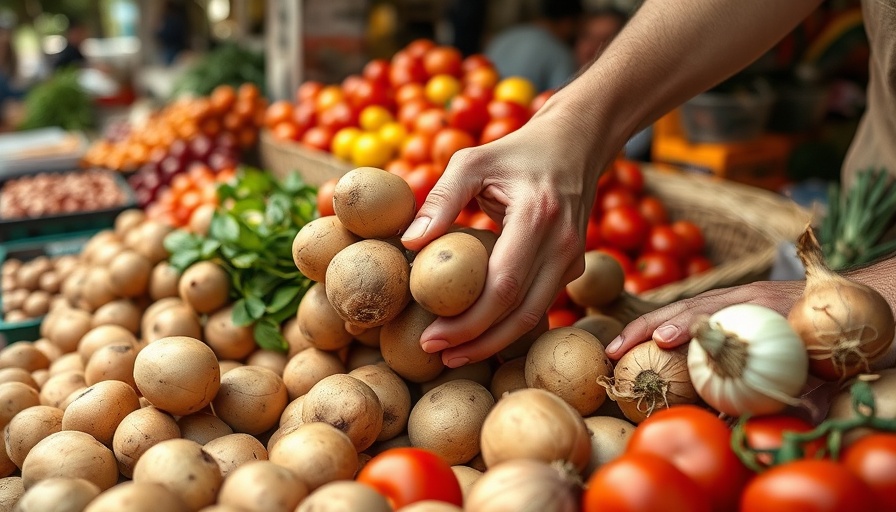
Hands sorting potatoes, emphasizing potatoes and diabetes risk.

Understanding Potatoes: The Hidden Truth About Diabetes and Blood Pressure Risk

Potatoes are a staple food in many diets, enjoyed in various forms - baked, mashed, fried, and more. But as health concerns rise, particularly regarding diabetes and hypertension, many wonder if it's time to rethink their love for this versatile vegetable.

Potatoes and Diabetes: What Does the Research Say?

The link between potato consumption and type 2 diabetes has been a subject of scrutiny for years. A 2006 study by the Harvard Nurses’ Health Study revealed that women consuming more potatoes had a higher likelihood of developing type 2 diabetes. Notably, deep-fried potato products like fries and chips represent a significant portion of potato intake in the U.S. market and are associated with the presence of unhealthy advanced glycation end products (AGEs) that can exacerbate health problems. The study found that eating just three servings of fries weekly increased diabetes risk by nearly 20%.

While the risk associated with mashed and baked potatoes is less pronounced, a pattern emerges: higher overall potato consumption correlates with increased diabetes risk. However, it is essential to note that this data may reflect broader dietary trends, including increased meat consumption, which also raises diabetes risk.

In contrast, a study from Iran found that individuals consuming mainly boiled potatoes (a more traditional preparation method) had significantly lower odds of developing diabetes. This suggests that the method of preparation and the overall dietary habits can dramatically influence health outcomes.

Potatoes and High Blood Pressure: A Complicated Picture

Similarly, the relationship between potatoes and hypertension is complex. Research shows that individuals consuming baked, boiled, or mashed potatoes are at a higher risk of developing high blood pressure. A notable study published in BMJ analyzed data from over 187,000 participants and found that those eating four or more servings of baked or boasted potatoes weekly had an increased hypertension risk.

However, it’s also crucial to consider dietary substitutes. For every serving of potatoes replaced with non-starchy vegetables, the risk of hypertension decreased, indicating healthier choices can significantly lower health risks. The evidence highlights the need for mindful dietary practices rather than a total potato exclusion policy.

The Nutritional Value of Potatoes

Despite concerns surrounding their health implications, potatoes offer considerable nutritional value. They are rich in vitamins C and B6, potassium, and fiber, serving as an excellent source of carbohydrates. Their high potassium content can actually be beneficial for heart health when consumed in moderation and prepared healthily. Additionally, the glycemic index of potatoes can vary tremendously based on the cooking method and pairing with other foods.

The Power of Moderation and Cooking Methods

The key takeaway is that potato consumption is not inherently bad for health; it’s the quantity and method of preparation that determine their impact. Instead of indulging in fried varieties, consider healthier cooking methods like boiling or baking, which can maintain their nutritional value while mitigating health risks.

Community Perspectives: What This Means for You

This knowledge can reshape your meals. By incorporating potatoes thoughtfully into a balanced diet, you harness their nutrients while reducing potential health risks. Aim to replace fries with baked wedges, or pair mashed potatoes with plenty of vegetables or lean proteins. The goal is to cultivate a healthy relationship with food that allows you to enjoy your favorites responsibly.

Final Thoughts

Understanding the relationship between potatoes, diabetes, and high blood pressure is essential for making informed dietary choices. Potatoes can still have a place in your diet, but it’s crucial to be mindful of how they are prepared and consumed. Embracing moderation and prioritizing balanced meals can contribute significantly to your overall health.

If you are looking for more insights on healthy eating habits and dietary tips, connect with your local nutritionist or health expert today. They can provide personalized recommendations to help you maintain a nutritious and balanced lifestyle.

Diet and Nutrition Tips

1 Views

Write A Comment

*
*
Related Posts All Posts
12.12.2025

Discover How Manvir Bhamra RD Celebrates Cultural Foods and Nutrition

Update Embracing Cultural Heritage Through Nutrition In the heart of Manitoba, Registered Dietitian Manvir Bhamra stands as a beacon for individuals navigating the complexities of nutrition and self-acceptance. Her journey emphasizes a holistic approach to health that transcends diet fads and restrictive patterns. Instead, she fosters a nurturing environment where food is celebrated, particularly cultural staples, empowering her clients to embrace their heritage. Breaking Free from Dietary Restrictions Manvir passionately promotes a non-diet, weight-inclusive framework, which emphasizes individual comfort and authenticity over societal pressures. This approach is grounded in compassion and evidence, guiding clients to form a trusting relationship with their food. She advocates for practical strategies like intuitive eating and grocery navigation, helping individuals to make conscious choices without the confines of guilt or shame. The Importance of Cultural Inclusivity in Nutrition As noted by the Diverse Nutrition Association, health professionals are increasingly called to incorporate cultural sensitivity into dietary recommendations. Manvir embodies this understanding; by integrating Punjabi foods into her practice, she highlights the nutritional value of traditional dishes. Acknowledging clients' cultural backgrounds not only nurtures their connection to food but also enhances their overall well-being. Empowering Individuals Through Education Manvir's methods don't merely focus on improving physical health; they also aim to instill confidence and foster joy in food experiences. This empowerment is particularly vital in today's culinary landscape, which often overlooks the richness of diverse food traditions in favor of standardized diet plans. In educating her clients, she encourages exploration of their own culinary history, fostering pride and satisfaction in their dietary choices. Future Trends in Nutritional Guidance: A Path Forward Looking ahead, the integration of cultural foods into nutritional guidance not only bolsters adherence to healthy eating but also circumvents alienation experienced by individuals from various backgrounds when navigating mainstream dietary recommendations. A paradigm shift towards inclusive practices can pave the way for healthier populations, embracing the diversity of culinary traditions while promoting sustainability. If you're seeking a compassionate partner in your dietary journey, consider booking a free 15-minute consultation with Manvir Bhamra, RD. Experience how a culturally informed, individualized approach can support your well-being and help you reignite your relationship with food.

12.11.2025

How Mold Toxins Impact Your Food: Health Risks of Mycotoxins in Cereals, Herbs, and Wine

Update Understanding Mold Toxins in Our Food Supply Mold toxins, also known as mycotoxins, are hazardous compounds produced by various fungi, which contaminate food crops and pose significant health risks. These toxins can be found in foods like cereals, herbs, spices, and wine, affecting a large portion of the global food supply chain. What Are Mycotoxins? Mycotoxins are toxic secondary metabolites produced by molds, primarily from genera such as Aspergillus, Penicillium, and Fusarium. These fungi thrive under specific conditions, often exacerbated by climate change, leading to increased contamination rates in food products. For instance, a disturbing estimate suggests that 60% to 80% of global crops may face contamination, underscoring the urgency of understanding and combatting these toxins. The Dangers of Mycotoxins Among the most notorious mycotoxins are aflatoxins, ochratoxins, and fumonisins. Aflatoxins are particularly concerning as they are potent carcinogens linked to liver cancer. Ochratoxin A is recognized for its nephrotoxic effects, impacting kidney function, and is often found in grains and wine. Meanwhile, fumonisins are prevalent in maize and have been associated with serious health issues, including lung and liver damage. Sources of Mycotoxins in Foods Cereals like oats and corn are common carriers of mycotoxins. This is because molds can thrive during pre- and post-harvest stages, particularly in warm, humid conditions. Spices and herbs, while consumed in smaller quantities, have also shown high concentrations of mycotoxins, which can pose significant health risks despite their lower consumption rates. Interestingly, wines have garnered attention for containing high levels of ochratoxins, particularly those sourced from the United States, where detection levels have sometimes surpassed global averages. Preventive Measures for Consumers While complete elimination of mycotoxin exposure is challenging, consumers can take proactive steps to mitigate risks. Here are some practical insights: Proper Storage: Keep cereals and spices dry and store them in airtight containers to minimize moisture, which encourages mold growth. Choose Wisely: Opt for well-researched brands and products with clear mycotoxin management practices. Look out for certifications that denote safe production standards. Stay Informed: Awareness of seasonal harvesting patterns and food sourcing can help consumers reduce their exposure, particularly during high-risk periods. Future Directions: Addressing the Risk Going forward, research and innovations in food safety must focus on developing advanced detection methods for mycotoxins using technologies such as biosensors and continuous monitoring systems. These can aid in real-time assessment during food production and storage, providing immediate insights into contamination risks and allowing for prompt actions to safeguard public health. Conclusion Mycotoxins are a serious threat embedded within our food supply, affecting millions globally. By understanding their sources, risks, and how to minimize exposure, consumers can take critical steps towards better health and safety. Moreover, engaging in conversations with local food producers and supporting initiatives aimed at mycotoxin research can collectively enhance food safety standards in communities. To protect your health from potential mycotoxin exposure in daily foods, consider implementing these preventive measures in your kitchen practices today!

12.10.2025

Unleash Your Potential: Explore Healing with Kristen Bilenky, R.S.W.

Update Discover Your Path to Healing with Kristen Bilenky In a world where mental health challenges are increasingly prevalent, finding compassionate and effective support is paramount. Meet Kristen Bilenky, a dedicated Registered Clinical Social Worker based in Winnipeg, Manitoba. With over 15 years of experience, Kristen specializes in guiding individuals, families, and groups through their most challenging moments. A Holistic Approach to Mental Wellness Kristen’s practice is founded on the principles of warmth, understanding, and evidence-based care. Using a combination of Cognitive Behavioral Therapy (CBT), Acceptance and Commitment Therapy (ACT), and family systems approaches, she collaborates with her clients to develop personalized strategies for healing. Whether you’re dealing with anxiety, depression, eating disorders, or relationship issues, Kristen empowers her clients to build resilience and confidence, fostering a safer internal environment conducive to change. The Importance of Connection and Support Mental health struggles can often feel isolating, but Kristen's approach is built around creating a secure, non-judgmental space. This allows clients to explore their thoughts and feelings without fear. Her inclusive practice is culturally sensitive and affirms clients from diverse backgrounds, highlighting the importance of understanding in the healing process. Why Choose Kristen for Your Healing Journey? Choosing the right mental health professional can significantly impact your healing journey. Kristen offers both in-person and virtual sessions, making therapy accessible for all residents in Manitoba. She is not just a therapist; she is a partner in your journey towards mental wellness. The flexibility of her scheduling accommodates busy lives, ensuring that you receive the support you need when you need it most. Empowering Individuals to Overcome Challenges Kristen has extensive experience working with adolescents and adults facing various life challenges. These might include managing grief, navigating family dynamics, or addressing educational concerns. By employing a strengths-based approach, she encourages individuals to harness their unique strengths to work through their issues. Begin Your Journey Today Feeling overwhelmed? You're not alone, and help is available. Kristen offers a free 15-minute consultation to help you see if her approach aligns with your needs. It's a great opportunity to find out if her services are the right fit for you and to take that vital first step towards fostering a healthier mindset. Take control of your mental health and connect with Kristen today. Book your free consultation and experience compassionate guidance as you navigate the journey towards wellness.

Terms of Service

Privacy Policy

Core Modal Title

Sorry, no results found

You Might Find These Articles Interesting

T
Please Check Your Email
We Will Be Following Up Shortly
*
*
*