
Add Row
Add Element
Chambers First Class Connections Kansas City
update
Healthy Living
Kansas City
 
update
Add Element
  • Home
  • Categories
    • Business Directory
    • Mental Health & Wellness
    • Destination Spas & Health Resorts
    • Best Vitamins & Supplements
  • Beauty News
    • Beauty & Skincare
  • Fitness & Physical Wellness
    • Yoga & Classes
    • Sports & Outdoor Recreation
    • Chiropractic & Physical Therapy
    • Personal Training & Coaching
    • Fitness & Exercise
    • Fitness For Seniors
    • Fitness
  • Restaurants & Nutrition
    • Restaurants
    • Diet and Nutrition Tips
    • Supplements & Superfoods
    • Farmers' Markets & Local Food
  • Healthy Living & Enviorment
    • Air and Water Purification
    • Healthy Home & Enviroment
    • Substainability & Green Living
September 10.2025
3 Minutes Read

Join a Community to Make Meditation a Habit That Lasts

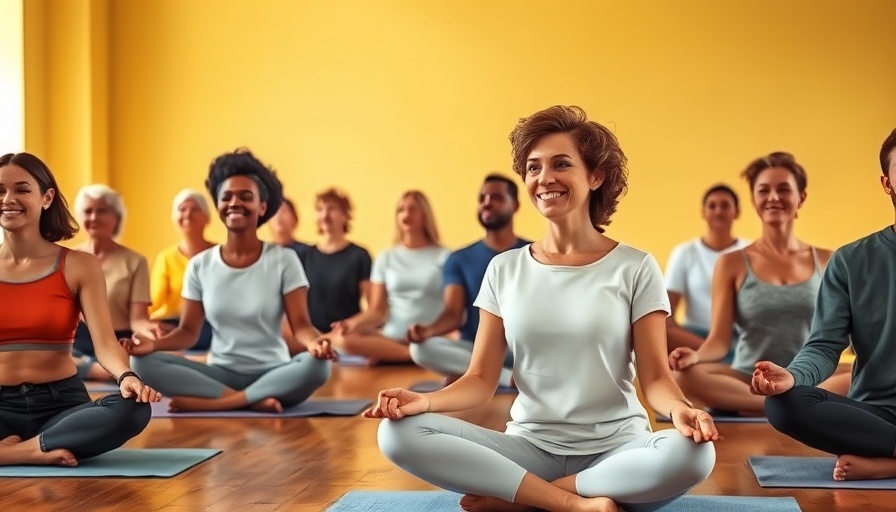
Group meditating in a serene studio, making meditation a habit.

The Power of Community in Establishing a Meditation Habit

As mindfulness continues its ascent into mainstream culture, one pivotal aspect often gets overlooked in the conversation—community. While solitary meditation practices can be beneficial, they lack the profound impact that arises from engaging in mindfulness with others. The journey toward cultivating a sustainable meditation habit becomes more enriching when shared within a supportive community.

Togetherness: Your Secret Weapon for Consistency

Imagine stepping into a room filled with individuals who share similar struggles: racing thoughts, emotional turmoil, and the daily grind of life. This shared vulnerability can instantly dissolve feelings of isolation, replacing them with a sense of belonging. Participants often realize that the pressures and the stressors they face are not solely their responsibility; these challenges are universally shared among everyone. It creates a liberating atmosphere where each person acknowledges their human experience, paving the way for honest conversations and mutual support.

Encouraging Personal Practice Through Group Meditation

Participating in group meditation sessions often leads to a deeper understanding of the practice itself. With a skilled facilitator at the helm, individuals may become more open and receptive to both their meditation journey and each other. Surprisingly, this supportive environment helps reinforce individual practices. Meditating regularly in a group can actually make solo practice seem less daunting and more manageable. The bonds formed within the group provide a foundation of motivation, reminding everyone of the shared commitment to mindfulness.

Dispelling Misconceptions About Meditation

There’s a common myth that meditation is solely a lonely endeavor, beneficial only to those who practice it in isolation. However, this perspective often underestimates the invaluable lessons learned from community engagement. By practicing together, individuals are often more inspired to continue their practice outside of designated sessions. The sense of connection ultimately makes meditation feel less like a chore and more like a collective adventure.

Actionable Insights for Building a Sustainable Meditation Habit

If you’re looking to make meditation a regular part of your life, seek out local groups or online communities where you can engage with others. Attend sessions that encourage sharing experiences and challenges. This social approach not only enriches your practice but instills a sense of accountability. Connect with friends or family to create your own informal meditation group, as the shared experience can enhance commitment and understanding.

Future of Mindfulness: Expanding Opportunities for Connection

As interest in mindfulness grows, the future landscape of meditation may evolve to embrace more communal approaches. This shift could include group retreats, community-based workshops, and technology-enabled virtual gatherings that facilitate connection even from a distance. By prioritizing social interaction in mindfulness practices, there lies an opportunity for broader acceptance and participation, ultimately enriching the meditation experience for everyone.

Conclusion: Embrace the Journey Together

Incorporating community into your meditation practices can make an extraordinary difference. Embrace the journey with like-minded individuals who can support you through the trials and triumphs of mindfulness. By recognizing the shared human experience, you’re not just establishing a habit; you’re enriching your life and the lives of those around you. So, take that step today and connect with a community that inspires you to meditate and grow.

Mental Health & Wellness

2 Views

0 Comments

Write A Comment

*
*
Related Posts All Posts
02.20.2026

W.A.I.T. Before You Post: Ensuring Mindful Social Media Engagement

Update Understanding the Importance of the Pause In our fast-paced digital world, the urge to communicate instantly can often lead to regretful posts. Social media can amplify emotions, turning a simple expression into a contentious or regrettable moment. This is especially true for younger users, whose brains are still developing the judgment needed for thoughtful communication. Recognizing this, experts like Tristan Gorrindo advocate for the W.A.I.T. practice, which encourages individuals of all ages to pause before they post. The W.A.I.T. Framework Explained The acronym W.A.I.T. stands for: W - Wide Audience: "Would I say this in front of a school assembly?" This question prompts individuals to consider how their words may impact others. A - Affect: "Am I in a good emotional place right now?" Recognizing your emotional state can affect clarity and intention. I - Intent: "Might my intent be misunderstood?" It’s crucial to evaluate if a message could be interpreted in several ways. T - Today: "Can this wait a day?" Taking a breath can offer a clearer perspective, potentially preventing hasty decisions. Why Taking a Breath Matters Social media can create a whirlwind of emotional responses that sometimes lead to an overwhelming need to post immediately. Research has shown that haste can result in heightened stress and anxiety, particularly among students. The pressure to voice opinions or share experiences can escalate conflicts instead of diffusing them. By incorporating the W.A.I.T. approach, individuals reclaim control over their emotional responses, making interactions online more constructive and less reactive. Real-World Applications of Mindful Posting Jenna Regan’s article from Amy Poehler’s Smart Girls reinforces the idea of taking a moment to reflect before sharing personal experiences online. Using tips from cybersecurity expert Michael Bazzell, Regan prompts readers to consider the permanence of online posts. "What happens if your grandma could see this?" is a poignant reminder that nothing is truly private. Evaluating whether something is worth sharing in the heat of the moment can protect one from future regret. Shifting the Mindset: From Reaction to Reflection Adolescents are not the only group at risk; adults often find themselves ensnared in the cycles of impulse posting as well. In today’s low-barrier digital landscape, even innocent feedback can spiral into public crises. Samuel J. Abrams highlights that outright anger often keeps users engaged, as platforms prioritize emotionally charged interactions. However, choosing to disengage from this cycle can be transformative. Methods such as using a journal for emotional expression or discussing feelings in person can dramatically improve emotional regulation. The Ripple Effect of Mindful Posting Practicing mindfulness before hitting “share” sets a healthy example for others. Doing so fosters a digital culture characterized by thoughtful dialogue rather than impulsive outbursts of frustration or anger. As students navigate their academic and social worlds, slowing down enhances their ability to manage stress and help build a more supportive community. In conclusion, the W.A.I.T. practice serves as a simple yet impactful tool for all social media users. By embracing pauses and reflections, we contribute to a healthier digital environment, where thoughtful engagement prevails over impulsive reactions. The stakes are high: cultivating a culture of mindfulness can not only ease individual stress but icreate a supportive online community. Are you ready to embrace the W.A.I.T. method? Start today by evaluating your next post before sharing it with the world!

02.19.2026

Reconnecting with Ourselves: A Guided Meditation for Anxiety

Update Finding Yourself in Turbulent Times As we navigate the complexities and challenges that life throws our way, many of us can relate to feeling overwhelmed and disconnected. It’s especially poignant during times of widespread upheaval, whether it's political unrest, climate change, or personal crisis. The emotional toll can cause serious internal conflict, making mindfulness and meditation feel like an insurmountable task. In this article, we will explore a grounding meditation designed to help you reconnect with yourself, offering insight into the importance of maintaining inner calm amidst external chaos. The Weight of the World With daily news cycles bombarding us with distress and suffering, not to mention personal obligations and societal pressures, it's no wonder our nervous systems are often dysregulated. As Shalini Bahl notes in her meditation practice, retreating into ourselves is essential for understanding our emotions rather than overwhelming our senses. This is particularly vital when we become the observers of suffering rather than direct participants. Vicarious trauma leads to emotional shut-downs, and individuals may even become numb to their own feelings, further disconnecting them from genuine compassion and agency. Taking the First Step: A Simple Meditation Practice When meditation feels impossible, try this simple guided technique to reclaim your emotional space. Settle into a comfortable posture, whether sitting or lying down. Take three intentional breaths, inhaling through your nose and exhaling slowly through your mouth. Close your eyes if you wish. This begins the process of grounding yourself in the present moment. Pay close attention to the sensations around your heart. Acknowledge the feeling of your heartbeat to connect your mind back to your body. Three Pathways to Reconnection In Bahl's practice, she emphasizes three pathways that facilitate reconnection: inner calm, compassion, and curiosity. Inner Calm: This is where clarity and agency lie. Concentrating on your breath restores focus and tranquility. Cultivating this sense of calm can transform how you respond to stressors. Compassion: After finding your inner peace, allow yourself to feel empathy for both yourself and others. This reconnection is essential as it plants the seeds of collective human experience and nurtures kindness. Curiosity: Finally, tap into your inquisitive nature to ask yourself what is truly yours to do in these chaotic times. Reflect on what brings you joy and purpose. This approach empowers you to set proactive intentions rather than reactive responses to stress. Mindfulness Amid Overwhelm According to various studies, almost one-third of adults will experience anxiety disorders throughout their lives. When confronted with challenges, meditation stands as a convenient, accessible practice that requires no fee or appointment—just the willingness to breathe and be present. Mindfulness equips your mind to manage racing thoughts, allow for self-reflection, and cultivate resilience against the chaotic external environment. Transforming Burnout and Anxiety: The Benefits of Guided Meditation Guided meditations can genuinely enhance your overall experience by providing a voice to anchor your mind while easing stress and anxiety. For instance, breathing exercises can ground you when the world feels overwhelming, creating a sanctuary within yourself. This method can be as simple as placing one hand on your belly and slowly expelling the breath while counting down from eight—an exercise that settles not only the mind but refreshes emotional clarity. Your Journey Starts Now Remember, the road to self-reconnection is often a meandering one, filled with freedom and exploration. If you find yourself feeling lost in trying times, allow yourself to pause, breathe, and explore these pathways to reconnect. Harnessing the power of mindfulness and meditation can lead you out of chaos and into a space where clarity, compassion, and curiosity live. Embrace the journey of returning to yourself—it is truly the greatest gift you can give to the world around you. Call to Action: Engage with our community to explore more resources on mental health and wellness. Discover the benefits of meditation as a fundamental tool for personal tranquility and societal compassion today!

02.14.2026

Can Compassion Save the Planet? Insights on Building a Better World

Update Can Compassion Truly Save Our Planet? The challenges facing our environment and societies are dire, yet Karen Armstrong, with her Charter for Compassion, offers a radical solution: compassion. This principle, rooted in the Golden Rule, posits that we must care for others—humans and animals alike—and for our planet, much like we care for ourselves. Understanding Compassion Armstrong's Charter for Compassion calls us to embrace our shared humanity and extend love without exception. It pressures us to confront uncomfortable truths about suffering globally—from migrant crises to climate change. In her view, compassion isn't merely a feeling but a moral imperative for the survival of our shared world. This sentiment echoes in discussions from many fields, including psychology and sociology, which suggest that our well-being is tightly linked to our compassionate actions. Research has shown that self-kindness extends outward, making us more likely to show kindness to others. Compassionate Communities in Action One inspiring example comes from Karachi, Pakistan, where local youth inspired the mayor to establish the city as a compassionate community. This initiative merges compassion with education, as children learn to challenge suffering around them through action rather than inaction. This model illuminates how compassion can activate community spirit, emphasizing the importance of not just feeling for others, but moving to act on that feeling. In many cultures, the bond between compassion and community is intrinsic to societal progress. The Global Landscape In a world where disparities can foster callousness, advocating for compassion becomes even more crucial. For instance, the discussions around the U.S.-Mexico border crisis leverage the same principles of compassion. As the discourse shifts, it becomes less about seeing those at the border as statistics and more about recognizing them as fellow human beings. In the political landscape, movements such as Black Lives Matter harness compassion to push for justice and equity. By exploring these interconnected issues through the lens of compassion, we enrich our understanding of social justice and climate activism. The Science Behind Compassion Research indicates that engaging in acts of kindness—the bedrock of compassionate living—has a profound impact on our biology. Compassion activates certain brain regions related to empathy, which fortifies our emotional resilience and overall health. Moreover, studies reveal that those who emphasize material wealth often become less compassionate over time, underscoring the need for a cultural shift back to value-based living. As we witness the devastating impacts of climate change, the call for compassion extends beyond interpersonal relationships to encompass our relationship with the environment. Acknowledging nature's suffering and treating it with respect and care does not simply lead to greener living but to healthier communities. Moving Toward a Compassionate Society Adopting compassion as a guiding principle requires systemic change that addresses both economic inequalities and environmental degradation. It urges us to redefine success not by personal accumulation but by communal flourishing. The path forward includes enacting policies that favor caring and sharing over competition and division. As heartbreaking situations unfold globally, illustrating how compassion in action can stem from local communities to global initiatives is crucial. Inspired individuals can work together to create sustainable solutions, from protecting wildlife to advocating for climate justice. Practical Steps for Integration Adopting a compassionate stance in daily life can start at home or in classrooms. Educators like Michael Kokozos utilize compassion mapping and self-reflection to foster understanding among students on local and global levels. Mindfulness and compassionate practices in education and governance can change how we perceive ourselves and others, potentially nudging society toward a more just and sustainable direction. Ultimately, to save our planet, we must nurture compassion within ourselves and to others to fearlessly and actively shape a future that prioritizes mutual respect and care. Conclusion: A Collective Responsibility If we are to avert the looming crises of climate change and social injustice, compassion must be our north star. It is time to take action, emboldened by the understanding that a compassionate world is not only more humane; it is fundamentally more sustainable. Begin with yourself; model the changes you wish to see, and soon it will ripple outward—after all, compassion is contagious. Let’s embrace this call to kindness and courage, for the sake of our planet and humanity as a whole. Are you ready to lead with compassion?

Terms of Service

Privacy Policy

Core Modal Title

Sorry, no results found

You Might Find These Articles Interesting

T
Please Check Your Email
We Will Be Following Up Shortly
*
*
*