
Add Row
Add Element
Chambers First Class Connections Kansas City
update
Healthy Living
Kansas City
 
update
Add Element
  • Home
  • Categories
    • Business Directory
    • Mental Health & Wellness
    • Destination Spas & Health Resorts
    • Best Vitamins & Supplements
  • Beauty News
    • Beauty & Skincare
  • Fitness & Physical Wellness
    • Yoga & Classes
    • Sports & Outdoor Recreation
    • Chiropractic & Physical Therapy
    • Personal Training & Coaching
    • Fitness & Exercise
    • Fitness For Seniors
    • Fitness
  • Restaurants & Nutrition
    • Restaurants
    • Diet and Nutrition Tips
    • Supplements & Superfoods
    • Farmers' Markets & Local Food
  • Healthy Living & Enviorment
    • Air and Water Purification
    • Healthy Home & Enviroment
    • Substainability & Green Living
September 05.2025
3 Minutes Read

How Do Fruits and Vegetables Impact Our Mood and Happiness Levels?

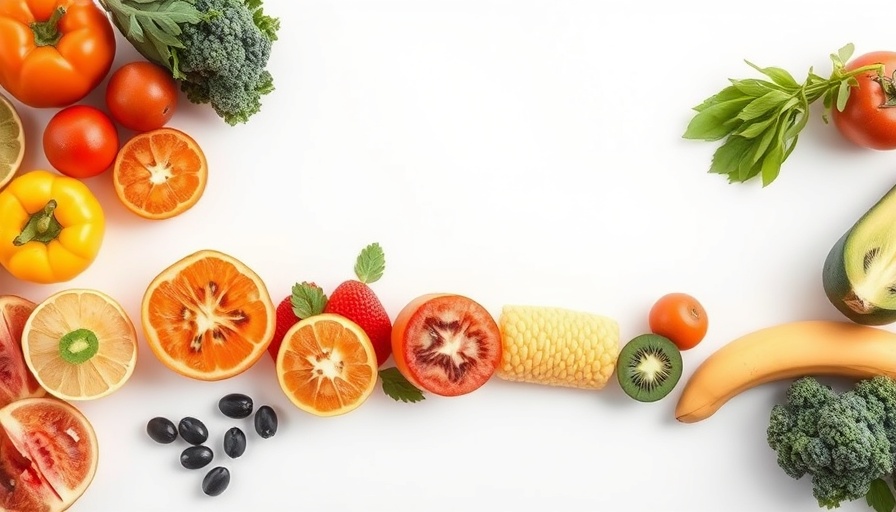
Vibrant fruits and vegetables on white surface: mood-boosting elements.

Do Fruits and Vegetables Really Enhance Your Mood?

Many of us associate the words "health" and "well-being" with fruits and vegetables, but how strong is the connection between what we eat and our happiness? Current research suggests it might be quite significant. In fact, a systematic review highlights that increasing the intake of fruits and vegetables can lead to improved feelings of satisfaction and life enjoyment, akin to the psychological benefits of securing a job. This connection opens new conversations in the realm of nutritional psychology, turning our attention to dietary habits as a pathway to better mental health.

The Importance of Psychological Well-Being

Psychological well-being isn't just about avoiding mental health disorders; it encompasses a broader range of factors that contribute to happiness and life satisfaction. According to research published in the Annals of Nutrition & Metabolism, consuming more fruits and vegetables is associated with these enhanced factors. But what if instead of mere correlation, we could establish that these food choices actively foster positive psychology?

Fruits and Vegetables: A Path from Correlation to Cause

Critics of dietary research often argue that people who consume healthier foods might already have better mental health due to personality traits or upbringing. However, recent studies have adjusted their approach to circumvent these biases. By tracking changes in mood associated with increased fruit and vegetable consumption, researchers discovered a clear trend: as people eat healthier, their life satisfaction similarly rises. In fact, an increase of just eight servings of fruits and vegetables a day led to a measurable improvement in happiness, akin to moving from unemployment to having a job.

International Evidence: A Global Perspective

This isn't just a localized phenomenon. Research conducted in Australia has been mirrored in the UK, where results suggested that Brits might need to consume even more—about 10 to 11 servings daily—to gain similar benefits. These findings reinforce the idea that a healthy diet transcends cultural boundaries and plays a universal role in enhancing mental wellness.

Can Eating Fruits and Veggies Shield Against Mental Illness?

One of the most critical angles of this research is its implication for mental health disorders. Studies indicate that regular consumption of fruits and vegetables may mitigate the risk of clinical depression and anxiety. An extensive review showed that a mere increase of 100 grams of fruit daily—approximately half an apple—was associated with a reduced risk of depression by 3%. Yet shockingly, less than 10% of Western populations consume the recommended levels of fruits and vegetables. This gap highlights a significant area for public health intervention.

Breaking Down Barriers to Healthy Eating

Despite these clear benefits, the challenge remains: how do we encourage healthier eating habits? It’s not just about informing the public about these benefits; it also involves shaping our food environments and addressing accessibility. Farmers' markets and local food initiatives can play a pivotal role by not only providing fresh produce but fostering community connections that reinforce the importance of a healthy diet.

Action Steps for Individuals

If you're looking to boost your mood, consider simple lifestyle changes. Start with small, manageable goals: aim for at least one serving of fruits or vegetables at each meal. Try new recipes that include a variety of colorful produce. Involve friends or family in your journey to create a supportive environment where healthy eating flourishes.

From the data, we see a clear link between a diet rich in fruits and vegetables and improved mental well-being. By making simple changes today, we can pave the way for a happier and healthier tomorrow.

Diet and Nutrition Tips

8 Views

Write A Comment

*
*
Related Posts All Posts
12.05.2025

Uncover the Hidden Dangers: Fungal Toxins in Your Breakfast Cereal

Update Are Fungal Toxins Hiding in Your Breakfast?As you enjoy your morning routine, have you ever considered what might be lurking in your breakfast cereals? A growing body of research reveals that mycotoxins, which are toxic compounds produced by mold, are indeed finding their way into many foods we consume daily, especially in plant-based diets. While opting for a vegetarian or vegan lifestyle often leads to a reduction in exposure to harmful substances like PCBs and dioxins, it might also inadvertently increase the risk of mycotoxin contamination.The Double-Edged Sword of Plant-Based DietsData from a study in France indicates that while vegetarians and those following plant-based diets typically encounter lower levels of persistent organic pollutants, they might face higher exposure to certain mycotoxins. Fungal toxins such as aflatoxin and ochratoxin, often found in moldy food products, have been detected in numerous plant-based cereals and snacks. In fact, a significant portion of oat-based cereals across several nations, including the United States, is reported to harbor these toxins, raising concerns about their long-term health effects.The Widespread Nature of MycotoxinsResearch indicates a disturbing trend: approximately 40% of the breakfast cereals tested across 144 samples in the U.S. contained ochratoxin. This statistic echoes findings from other countries with warm climates, such as Pakistan, where the prevalence of fungal contamination is notably high due to conducive growth conditions. Europe has also been grappling with similar mycotoxin issues, prompting stricter regulations; however, the United States currently lacks robust guidelines for ochratoxin management.Organic vs. Conventional: Are There Differences?It's a common misconception that organic foods are free from mycotoxin contamination due to the absence of synthetic fungicides. Surprisingly, studies have shown that mycotoxin levels in organic products can be comparable to or even higher than those found in conventional foods. Therefore, purchasing organic might not guarantee safety from mycotoxins, especially if cross-contamination occurs during production or storage processes.The Long-Term Health ImplicationsStudies have detected ochratoxin in blood samples from populations worldwide, suggesting it is an almost unavoidable dietary contaminant. Long-term exposure to such potent mycotoxins could lead to serious health issues, including kidney damage and increased cancer risk. Alarmingly, children and vulnerable populations may be disproportionately impacted due to their developing systems. This emphasizes the need for vigilant monitoring and regulation of food safety standards.What You Can DoWhile the challenges posed by mycotoxin contamination are significant, there are steps individuals can take to mitigate risk. First, diversify your diet to minimize the reliance on single food groups that may be heavily contaminated. Incorporating a variety of grains, fruits, and vegetables can not only enhance your nutrition but also reduce the likelihood of consuming high levels of mycotoxins from any one source. Additionally, practicing proper food storage techniques, like keeping grains and cereals dry and cool, can help inhibit fungal growth.Conclusion: A Call for AwarenessThe hidden risks of mycotoxin exposure in our foods necessitate a collective effort from consumers, regulatory agencies, and the food industry to ensure safety standards are stringent and consistently enforced. As the trend towards plant-based eating continues, it is crucial to keep mycotoxin levels at the forefront of food safety discussions. Awareness is the first step; taking informed actions can significantly reduce the health risks associated with these dreaded contaminants.

12.03.2025

Exploring the Impact of Heavy Metal Music on Our Health and Emotions

Update Heavy Metal Music: A Double-Edged Sword for EnthusiastsHeavy metal music has long been a source of fascination and controversy, often condemned for its intense themes and aggressive sound. However, recent studies reveal a more nuanced view—one that highlights not just potential risks but also therapeutic benefits. The transition from the notion of heavy metal as harmful to understanding it as a form of emotional release provides a pivotal insight for fans and newcomers alike.From Myths to Reality: Dispelling the Heavy Metal StigmaThe stigma surrounding heavy metal music is deep-rooted, with many attributing feelings of hostility and increased suicide rates to its lyrics and sound. Yet, as explored in studies from Macquarie University, the reality is more complex. Many of those who frequently listen to heavy metal reported it serves as an emotional outlet rather than an incitement to violence. This aligns with findings in my article discussing how stress levels can dramatically decrease with certain types of music, including metal, which provides a sense of community and emotional processing for its listeners.The Emotional Benefits of Heavy MetalFor fans of heavy metal, the genre often acts as a powerful release valve for pent-up emotions. Numerous studies suggest that listening to intense music can lead to feelings of happiness and reduce aggression. In fact, a 2015 study highlighted that listening to extreme music, instead of heightening anger, actually helped participants to manage and process their emotional states more effectively. Such findings are crucial for understanding how music, even in its heaviest forms, can provide comfort and support.Hearing Health and Heavy Metal: Finding a BalanceDespite the emotional benefits, heavy metal music can pose risks to physical health, particularly concerning hearing loss. The '80/90 rule,' which suggests keeping volume levels at no more than 80% for 90 minutes daily, stands in contrast to newer evidence proposing that a safer level is 60%. This insight is especially pertinent to younger listeners, who may be more inclined to disregard volume restrictions altogether. Thus, fans must learn to balance their love for music with awareness of their health.Cultivating Community through Heavy MetalOne of the understated joys of being a heavy metal fan is finding a sense of belonging within a supportive community. The culture surrounding heavy metal fosters inclusivity and shared experiences among listeners, particularly during concerts and festivals. Engaging in these shared environments promotes not only a love for the genre but also a connection with like-minded individuals. The community aspect of heavy metal music can play a vital role in one’s social health and well-being.Risk Factors: Understanding Fan DynamicsWhile heavy metal music fosters emotional release and community, it’s imperative to recognize potential risk factors, especially for vulnerable audiences like adolescents. Previous studies noted that fans are not generally desensitized to violence as believed but, instead, process violent imagery just as effectively as non-fans. Furthermore, it's crucial to consider external factors such as family dynamics and social environment, which can influence the mental health of listeners. A well-rounded approach to understanding the effects of heavy metal must involve looking beyond the music itself.Conclusion: Heavy Metal as a Source of Strength and ConnectionHeavy metal, often misunderstood, has evolved into a multifaceted genre that offers more than just sound—it connects people and provides emotional relief. By embracing the musical culture while being mindful of health implications, fans can enjoy their passion in a way that enriches their lives. So let's celebrate the power of heavy metal, not as a negative force, but as a vibrant community that invites us to express, connect, and thrive.

11.27.2025

Can Mushrooms Really Help Fight Prostate Cancer? Discover the Truth!

Update Mushroom Power: Can Fungi Help Fight Prostate Cancer?Mushrooms have long been touted for their health benefits, with claims ranging from boosting immunity to providing possible cancer-fighting properties. Recently, several research studies have explored the potential effects of mushroom consumption, especially regarding prostate cancer. This article will delve into whether mushrooms, specifically reishi and shiitake varieties, can significantly impact men facing prostate cancer.The Myth and Mystery of Medicinal MushroomsMushrooms like shiitake and reishi are often labeled as 'medicinal' due to their long-standing use in traditional medicine. The shiitake mushroom, or Lentinula edodes, is particularly known for a compound called lentinan. Animal studies have shown that lentinan can bolster immune responses and even provide some cancer-fighting capabilities. However, translating these results from laboratory animals to humans remains a challenge.Understanding the Scientific EvidenceWhile some studies suggest that shiitake mushrooms can improve immune function—such as an increase in natural killer cells that attack cancer—others show limited evidence in improving actual cancer survival rates. For instance, research has indicated that adding lentinan to chemotherapy regimens for lung cancer could improve short-term tumor responses. Yet, the major question remains: does it actually prolong life?Breaking Down the DataOf the studies involving lentinan and prostate cancer, results seem mixed. Some analyses suggest that men who regularly consume mushrooms show a lower risk of developing prostate cancer. However, a direct correlation between shiitake or reishi mushrooms and improved cancer outcomes has often faltered when presented with rigorous clinical trials.Shiitake and Prostate CancerSpecifically looking at npothetical treatments, one study indicated that daily consumption of plain white button mushrooms may have reduced PSA levels (Prostate-Specific Antigen) in men recovering from prostate cancer treatments. Though the sample size was limited, the results were promising. Four out of 26 patients showed significant drops in their PSA levels after incorporating mushroom powder into their diets. However, these results should be interpreted cautiously, as they lack a control group and may not be representative of larger populations.Reishi Mushrooms: Not So Magical?Another contender is the reishi mushroom, often dubbed the “mushroom of immortality.” Despite its legendary status, clinical trials involving reishi have not provided convincing evidence of enhanced survival rates for cancer patients. Some reports indicated that while reishi may improve quality of life during aggressive treatments like chemotherapy, it does not significantly impact overall survival.Conclusion: The Bottom Line After AllIn light of the data, there is no definitive answer as to whether mushroom intake can genuinely combat prostate cancer. While daily consumption of mushrooms, particularly shiitake and white button varieties, appears safe and could have some health benefits, it is crucial to avoid falling for exaggerated claims regarding their potency against cancer. Men facing prostate cancer should consider incorporating mushrooms as a tasty and nutritious part of their diet while engaging with proven medical treatments.The potential health benefits of mushrooms are still a topic of ongoing research, and it may take time before we fully understand their role in combating serious illnesses such as cancer. For now, moderation and realistic expectations are paramount as we explore the fascinating world of mushrooms.

Terms of Service

Privacy Policy

Core Modal Title

Sorry, no results found

You Might Find These Articles Interesting

T
Please Check Your Email
We Will Be Following Up Shortly
*
*
*