Add Row
Add Element
Chambers First Class Connections Kansas City
update
Healthy Living
Kansas City
 
update
Add Element
  • Home
  • Categories
    • Business Directory
    • Mental Health & Wellness
    • Destination Spas & Health Resorts
    • Best Vitamins & Supplements
  • Beauty News
    • Beauty & Skincare
  • Fitness & Physical Wellness
    • Yoga & Classes
    • Sports & Outdoor Recreation
    • Chiropractic & Physical Therapy
    • Personal Training & Coaching
    • Fitness & Exercise
    • Fitness For Seniors
    • Fitness
  • Restaurants & Nutrition
    • Restaurants
    • Diet and Nutrition Tips
    • Supplements & Superfoods
    • Farmers' Markets & Local Food
  • Healthy Living & Enviorment
    • Air and Water Purification
    • Healthy Home & Enviroment
    • Substainability & Green Living
March 13.2025
3 Minutes Read

Feeling Lonely? Discover 4 Essential Ways to Release Shame and Build Healthy Relationships

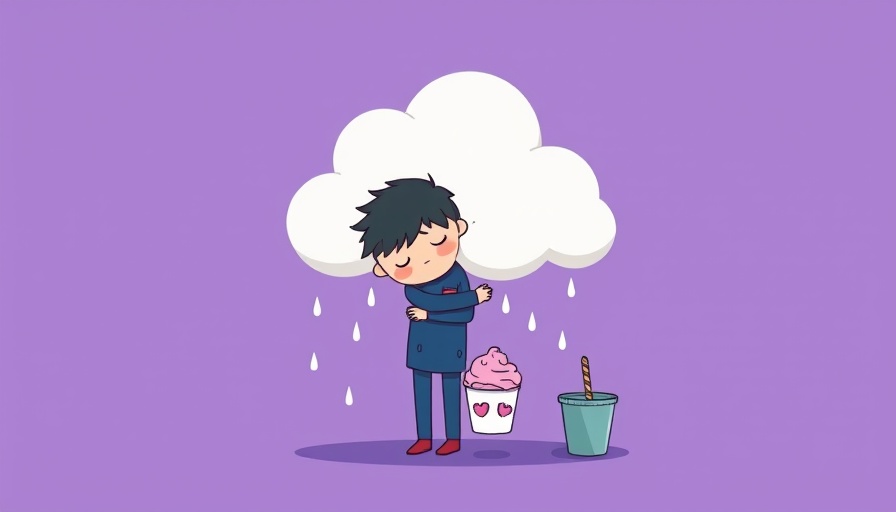
Illustration of overcoming loneliness with a sad cloud hugging a person

Understanding Loneliness: A Universal Experience

Loneliness is a feeling that can strike anyone, irrespective of age, status, or social background. As Dr. Thema Bryant eloquently illustrates in her recent work, it is essential to recognize that feeling lonely does not stem from a lack of self-love or a deficiency in personal relationships, but rather from an innate human desire for connection. Post-pandemic, loneliness has become a frequently discussed yet poorly understood phenomenon, as we have grown accustomed to remote interactions and superficial connections that often fail to satisfy our profound emotional needs.

Condensing the Stigma Around Loneliness

For too long, society has shamed those who admit to feeling lonely, perpetuating the idea that the desire for connection equates to weakness. However, acknowledging this vulnerability is not a flaw but a facet of our humanity. Studies show that a staggering 61% of Americans reported feeling lonely even before the onset of COVID-19, a number that has since surged. This alarming trend underscores the importance of destigmatizing loneliness and recognizing it as a shared experience that requires empathy and understanding instead of judgment.

The Underlying Causes of Loneliness

One of the keys to overcoming loneliness lies in understanding why it manifests in the first place. Emotional deprivation, fear of abandonment, and social isolation are just some schemas that can keep us disconnected from others. As we navigate social situations, these feelings may lead us to retreat further into ourselves, creating a vicious cycle. Recognizing and confronting these underlying patterns with compassion is the first step toward establishing meaningful connections.

Practical Steps to Combat Loneliness

Here are four actionable insights to help release shame and foster healthier relationships:

  1. Begin with Self-Compassion: Acknowledge your feelings without harsh judgment. Understanding that it is okay to seek connection is vital for healing.
  2. Reach Out: It may feel daunting, but reconnecting with old friends or even acquaintances can help rejuvenate your social circle. A simple text or call can open the door to deeper exchanges.
  3. Be Vulnerable: Sharing your feelings can lead to unexpected connections. Be open about your loneliness; you may find others who resonate with your experiences.
  4. Create New Connections: Seek new communities, whether through hobbies, volunteering, or social media groups that interest you. Engaging in environments where like-minded individuals gather can facilitate authentic relationships.

The Healing Power of Connection

The road towards overcoming loneliness is paved with courage—courage to be vulnerable and the willingness to connect authentically. Taking active steps towards vulnerability brings the potential for deeper, more fulfilling relationships. It’s remarkable how simply sharing your story can foster a sense of belonging for both the speaker and the listener. Through the difficult experience of loneliness, we have the choice to emerge stronger and more connected than ever.

Conclusion: Take Action Now

If you are feeling lonely, allow yourself the grace to express those sentiments. Start by reaching out to someone you care about, share your experiences, and make a commitment to creating connections in your life. Remember, you are not alone in this deep human need for connection. Together, we can disrupt the cycle of isolation and cultivate a community that embraces vulnerability and empathy.

Mental Health & Wellness

1 Views

Write A Comment

*
*
Related Posts All Posts
12.13.2025

The Rise of Mandated Mindfulness: Can It Truly Benefit Students?

Update The Push for Mindfulness in Schools: A Step Towards Wellness or a Burden?In June 2023, New York City Mayor Eric Adams announced a program requiring every public school student to engage in two to five minutes of mindful breathing every morning—a move many see as a positive initiative in response to the youth mental health crisis exacerbated by the pandemic. With over a million students in the NYC public school system set to benefit from this breathing exercise, the intention is clear: equip students with tools to combat anxiety and stress. However, experts in the mindfulness community, including educators like Kimberly Daniels, caution that while the initiative shines a light on the importance of mental health, its practical implementation might face hurdles.Understanding the Nuances of Mandated MindfulnessThis requirement, while seemingly beneficial, has raised concerns about the execution. For many teachers, the prospect of adding yet another mandate to their already overwhelming responsibilities can feel daunting. "A lot of teachers were rolling their eyes because it was one more thing they were being mandated to do," noted Daniels. Though the initial response may be skepticism, the opportunity exists for meaningful change if educators are fully supported in the implementation process.The Role of Trained Guidance in Successful ImplementationSuccessful mindfulness programs typically require skilled facilitators who understand how to engage students effectively. For instance, Daniels’ role as Mindfulness Director allows her to develop customized approaches that resonate with both students and teachers alike. However, in many public schools, this level of support is rare. Right now, schools without a trained mindfulness staff may struggle to integrate this practice authentically, leading to a half-hearted approach that lacks the passion needed to foster genuine self-awareness among students. Effective training and resources are critical for maximizing the impact of mandated mindfulness.Potential Pitfalls and Teacher BurnoutAs the program rolls out, the risk of teacher burnout looms large. If educators feel unsupported or ill-equipped to deliver mindfulness practices effectively, the initiative could backfire. "Programming implemented by burnt out educators going through the motions with bored students is not usually a recipe for success," remarked Tzelnic in his insights on mandated mindfulness. Without adequate professional development and a commitment to making mindfulness an integral part of the educational experience, this well-intentioned program might lead to disengagement rather than transformation.Broader Implications for Mental Health Policies in SchoolsThe implementation of mandated mindfulness fits into a larger conversation about mental health resources available for students. Recent initiatives to improve mental well-being in schools must go beyond just introducing a breathing exercise; they must incorporate comprehensive support systems within the educational framework. Experts argue that alongside mindfulness mandates, more robust programs targeting mental health, counseling, and crisis intervention be made available in schools as well. As we approach the new school year, the need for a broader strategy is clear.While there is growing enthusiasm around integrating mental health practices in education, it is essential to prioritize structured training and support for teachers. By delivering evidence-based practices through knowledgeable facilitators, we could see real positive changes in our students. The conversation surrounding mandated mindfulness continues to grow, revealing both the potential benefits and inherent challenges of its implementation. Practicing mindfulness offers a path toward healing, but for it to work, we must equip educators with a full toolkit, ensuring they don’t feel more burdened, but empowered in this vital endeavor.

12.11.2025

Embrace the Joy of Writing by Hand: Rediscover Cognitive Benefits

Update Rediscovering the Lost Art of Handwriting In an age dominated by screens and keyboards, the simple act of writing by hand feels increasingly like a relic of the past. Yet, as we navigate through this digital-dominated landscape, it is essential to pause and reflect on the profound benefits of putting pen to paper. Writing by hand is not merely a form of communication; it is a deeply enriching practice that has historically played a central role in human connection and creative expression. The Science Behind Writing by Hand Multiple studies, including research conducted at Indiana University, highlight that writing by hand stimulates brain activity in ways that typing does not. When children engage in freehand writing, their brains light up in three different areas, indicating heightened mental engagement. This neurological activity suggests that writing by hand helps in idea generation and information retention, which is particularly useful for students and anyone looking to enhance their cognitive abilities. Crafting a Personal Connection Handwriting embodies the uniqueness of personal expression. Each letter and stroke carries an inherent individuality that reflects the writer's personality, emotions, and even state of mind. Unlike the uniformity of typed text, handwritten notes resonate on a personal level—inviting readers to feel the sentiments captured within them. This connection is especially critical in our fast-paced world, where authentic expression often gets overshadowed by digital communication. Handwriting as a Mindful Practice Incorporating handwriting into your daily routine can unlock new reservoirs of creativity. Much like meditation, writing by hand encourages mindfulness. It allows individuals to slow down, to become more present in the moment, and to embrace the imperfections of their craft. Engaging in 'slow writing'—a process of writing without the pressures of perfection—can be an effective tool for self-reflection and personal growth. The Benefits of Embracing Imperfection When you write by hand, there is an inherent messiness that can lead to unexpected insights. Embracing the quirks of our handwriting can mirror life's unpredictability, allowing our creative flow to blossom naturally. This fluidity can be liberating, encouraging a more profound exploration of thoughts and ideas without the constraints that typing often imposes. Revival of Handwriting in the Digital Age Though technology has transformed how we communicate, it is not at the expense of handwriting’s importance. Rather, it creates an opportunity for revival. Exploring ways to incorporate handwritten notes into our lives—whether through journaling, letter writing, or creative writing—can enrich our experiences and provide therapeutic benefits. By reinstating the habit of writing by hand, we make a conscious choice to engage more deeply not only with our thoughts but also with one another. A Personal Journey in Handwriting Many individuals have shared their positive experiences with handwritten practices. From keeping journals to composing heartfelt letters, the tactile feel of paper and pen connects them with their thoughts on a deeper level. As one writer puts it, 'It feels as if my soul spills out onto the page, unhindered by the confines of a screen.' This sentiment underscores the importance of maintaining this tradition, distinct from digital communication. Finding Your Handwriting Style Every individual has a distinct handwriting style that tells a story of their individuality. Engaging in handwriting can also spark a journey of self-discovery. Whether you wish to embellish your scripting or keep it raw and authentic, the key is to find joy in it. Explore new styles and allow yourself the freedom to experiment; after all, there is beauty in imperfection. As we continue our digital journey, let us not forget the valuable art of handwriting. It holds the power to unlock creativity, foster connections, and provide solace in times of stress. Embrace the practice of writing by hand, and experience how this simple joy can transform your mental landscape.

12.10.2025

Mindfulness Meditation: Your Path to Easing Pain and Embracing Joy

Update Unlocking the Power of Mindfulness for Pain ReliefIn today's fast-paced world, the concept of mindfulness has emerged as a beacon of hope for many seeking relief from chronic pain. Mindfulness is not just a trend; it is a profound practice deeply rooted in ancient traditions that encourages us to shift our focus inward, cultivating awareness of the present moment. The mindfulness meditation, as shared by Vanessa Hutchinson-Szekely, illustrates the potential of this practice to alleviate suffering—both physical and emotional.Understanding Pain Through MindfulnessPain is an inevitable part of the human experience. Whether it manifests as chronic conditions, emotional distress, or situational discomfort, accepting its presence can be transformative. Hutchinson-Szekely's guided meditation encourages practitioners to sit with their pain rather than fight against it, promoting awareness and compassion. This approach can help reduce anxiety associated with pain, offering a supportive framework for those who might feel isolated in their suffering.Creating a Safe Space WithinHutchinson-Szekely’s meditation emphasizes the importance of creating a safe mental space. By instructing individuals to breathe deeply and visualize a warm, soft light enveloping areas of discomfort, this practice fosters not only relaxation but also a nurturing environment for healing. The act of visualization is particularly powerful, allowing individuals to associate feelings of safety and comfort with their painful areas. This exercise can significantly shift one's relationship with their pain, turning it from an adversary into a mindful companion.The Joyful Shift: From Pain to PositivityOne of the key elements in Hutchinson-Szekely’s meditation is the transition from acknowledging pain to inviting joy. This shift is crucial. By consciously recalling pleasant memories or sensations, individuals can create a ripple effect throughout their bodies that calms their minds and reduces tension. Joy becomes not only a feeling but also a tool for healing. It reminds us that even in tough times, moments of happiness can coexist with pain, allowing for a more holistic approach to wellness.Practical Tips for Daily Mindfulness PracticeFor those interested in incorporating this meditation into their daily lives, here are some practical tips:Daily Check-In: Spend a few moments each day to check in with your body and mind. Acknowledge any areas of discomfort without judgment.Breath Awareness: Take deep, conscious breaths while visualizing a light, allowing for a gentle release of tension.Joyful Imagery: Find a joyful memory or image that brings a smile to your face and visualize it during your practice. This can help create a bond between your experience of pain and moments of happiness.Recognizing that healing involves both acknowledging pain and embracing joy can empower individuals to make proactive health choices, promoting resilience and overall well-being.The Path Forward: Embracing a Holistic ApproachMindfulness practices like the one shared by Hutchinson-Szekely offer invaluable insights into living with pain. Through understanding and compassion, individuals can reconnect with their bodies, ultimately fostering a sense of peace amidst chaos. It's important to remember that healing is a journey, often requiring patience and kindness towards oneself. As we embrace these practices, we open ourselves up to a world where pain does not have to define our experiences—inviting joy into our lives can lead to transformative outcomes.As you explore the journey of pain relief through mindfulness, remember that each small step is a victory. By taking time to engage in practices that nurture both body and mind, you are cultivating a holistic lifestyle that embraces the complexity of the human experience. So, take a moment today to pause, breathe, and invite joy into your life amidst any pain you may endure.

Terms of Service

Privacy Policy

Core Modal Title

Sorry, no results found

You Might Find These Articles Interesting

T
Please Check Your Email
We Will Be Following Up Shortly
*
*
*