
Chambers First Class Connections Kansas City
update
Healthy Living
Kansas City
 
update
  • Home
  • Categories
    • Business Directory
    • Mental Health & Wellness
    • Destination Spas & Health Resorts
    • Best Vitamins & Supplements
  • Beauty News
    • Beauty & Skincare
  • Fitness & Physical Wellness
    • Yoga & Classes
    • Sports & Outdoor Recreation
    • Chiropractic & Physical Therapy
    • Personal Training & Coaching
    • Fitness & Exercise
    • Fitness For Seniors
    • Fitness
  • Restaurants & Nutrition
    • Restaurants
    • Diet and Nutrition Tips
    • Supplements & Superfoods
    • Farmers' Markets & Local Food
  • Healthy Living & Enviorment
    • Air and Water Purification
    • Healthy Home & Enviroment
    • Substainability & Green Living
May 21.2025
2 Minutes Read

Exploring Plant-Based Diets: A Revolutionary Approach to Treating Crohn’s Disease

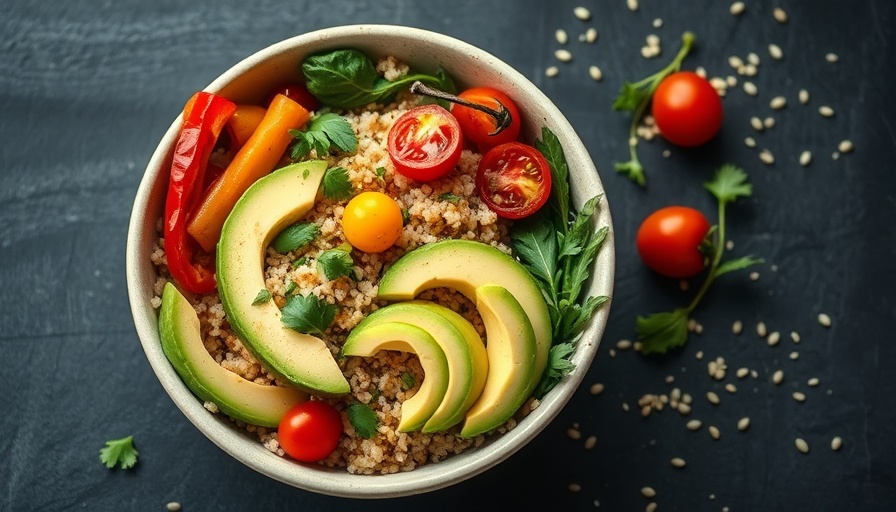
Colorful plant-based meal for Crohn's disease treatment.

Nourishing the Gut: How Food Choices Affect Crohn’s Disease

Crohns disease (CD) is challenging, and recent research is shedding light on how a plant-based diet can be a game-changer. Emerging evidence suggests that adopting a diet rich in whole foods may lead to better health outcomes than traditional medications. This new approach highlights the importance of diet in managing inflammatory bowel diseases (IBD), including Crohn's disease.

Fiber vs Fat: What Does the Research Show?

Studies indicate that dietary fiber can reduce the risk of IBD, while high-fat diets and animal proteins exacerbate the condition. This insight is crucial for understanding the increasing prevalence of Crohn's disease, a trend thought to be linked to modern lifestyles and diets. Add to this that patients are often advised against smoking as one preventive measure, yet little emphasis has been placed on dietary interventions.

A Case Study: Food as Medicine

Consider the story of a 25-year-old man who turned his fortunes around after switching to a whole food, plant-based diet. Initially, he struggled despite on a standard treatment plan involving infliximab, a costly medication that can have severe side effects. After eliminating animal products and processed foods, he achieved complete remission of his symptoms. This transformation underscores the potential power of plant-based nutrition in managing Crohn's disease.

The Core of the Anti-Inflammatory Diet

A diet filled with whole grains, legumes, fruits, and vegetables has long been associated with reducing various chronic conditions, including heart disease and obesity. The compelling aspect of this phenomenon is that a similar dietary strategy may significantly aid Crohn’s disease management. Some pilot studies show positive outcomes with patients adhering to a semi-vegetarian diet, indicating that diet modifications could be key to achieving long-term remission.

Motivating Change: The Path Forward

More than just choices on what's for dinner, the findings here invite many to reconsider their approach to health and wellness. If a plant-based diet can help in managing Crohn’s and possibly prevent other life-altering conditions, it motivates discussions on dietary education among young people dealing with these chronic diseases. This dialogue could establish a foundation for future dietary habits, changing how our communities view food and health together.

Fitness

8 Views

0 Comments

Write A Comment

*
*
Please complete the captcha to submit your comment.
Related Posts All Posts
05.14.2026

How Optimism Bias Affects Our Eating Habits and Health Choices

Update Understanding Our Eating HabitsIn today's world, we often believe we are making healthy choices when it comes to what we eat. However, research shows a significant disconnect between how we perceive our eating habits and what they actually are. Many individuals tend to underestimate their consumption of unhealthy foods such as sugary drinks and fatty snacks, viewing themselves as healthier than the average person. This optimism bias can be particularly misleading and contributes to an unwillingness to change behaviors for better health outcomes.The Challenge of Dietary ChangeDespite knowing the risks associated with poor diet, including obesity and heart disease, many people find it difficult to change their eating habits. Studies reveal that individuals often believe they eat less harmful foods than they really do, which can reinforce unhealthy choices. This self-deception acts like a lens that distorts our view of reality and may be similar to how smokers perceive their own risks related to tobacco use. For example, just as smokers might downplay the dangers of smoking, many justify their poor dietary choices by downplaying the effects of an unhealthy diet.Public Health ImplicationsThis disconnect presents a unique challenge for public health advocates. To promote healthier eating habits, it's essential to not only highlight the health risks of poor dietary choices but also to help people understand their own eating patterns objectively. Efforts must be made to create awareness without demoralizing individuals; this tightrope between delivering hard truths and maintaining a person's self-esteem is vital. We need more effective communication strategies that motivate people to confront the reality of their eating habits while fostering a supportive environment that encourages positive change.Final ThoughtsChanging how we think about our diets may lead to better health outcomes for everyone. By addressing optimism bias and providing clear, relatable information, we can create a shift in mindset that could potentially lead to healthier decisions. Let’s focus not just on what we eat but on how we perceive our eating habits to make a real difference in our health.

05.14.2026

How We Eat vs. How We Think We Eat: Bridging the Gap

Update Understanding Our Eating HabitsMany people think they know how they eat: their meals, snacks, and dietary choices. However, research shows there is often a significant gap between what we believe we consume and what we actually eat. This discrepancy can impact our health, especially as we aim for a balanced diet.The Difference Between Thought and RealityIt’s easy to underestimate how much we eat or to forget certain snacks throughout the day. Studies have indicated that when people keep food diaries, they often realize they eat more than they initially thought. This could be due to mindless eating while watching TV, social snacking, or simply portion sizes being larger than anticipated.Awareness is KeyThis disconnect between our self-perception and reality can be quite a revelation. Increasing awareness of what and how much we eat is the first step toward healthier choices. Techniques like mindful eating encourage us to focus on our meals, recognizing when we are full and making conscious choices about our food.Creating Healthy Food HabitsAdopting strategies like meal prepping or using smaller plates can help bridge the gap between our perceptions and reality. Research shows that when people prepare their meals in advance, they are less likely to veer off course with unhealthy choices. Simple adjustments can lead to significant improvements in diet quality.Final ThoughtsBeing mindful about our eating habits can help us make better choices. By understanding the difference between how we think we eat and what we actually consume, we can adjust our habits for a healthier lifestyle. So, the next time you snack, ask yourself, "Am I really listening to my body?".

05.06.2026

Is Bovine Leukemia Virus Linked to Breast Cancer Risk? Discover the Findings!

Update The Unexpected Connection: Can Bovine Leukemia Virus Lead to Breast Cancer? Breast cancer is a serious issue affecting many around the world, and research is continually uncovering potential causes. One surprising suspect is the Bovine Leukemia Virus (BLV), a virus primarily known for infecting cattle. Recent studies suggest that this virus might also play a role in the development of breast cancer in humans. BLV: More Than Just a Cattle Concern? BLV, typically found in dairy and beef cattle, can be transmitted through animal blood and milk. Historically, scientists doubted its role in human disease, but new evidence challenges this assumption. Studies show that BLV DNA is often detected in breast tissue samples from women diagnosed with breast cancer, raising alarm about its potential impact on human health. The research indicates that 59% of breast cancer tissue samples contained traces of BLV, compared to only 29% in healthy samples. This stark contrast underscores the urgency of investigating the virus's role in carcinogenesis. Experts note that while these findings are significant, they do not confirm that BLV causes cancer; further controlled studies are needed to understand the timeline of infection and its implications for breast cancer risk. How Could The Virus Reach Us? Many people consume dairy and meat products, which may carry traces of BLV if sourced from infected animals. The virus is capable of breaching species barriers, implying that individuals might be exposed to it through dietary intake, particularly unpasteurized milk or undercooked meat. Confirming how this virus interacts with human cells raises questions about food safety protocols in relation to BLV. The Implications of Confirming a Link Should further research validate BLV as a risk factor for breast cancer, it could significantly alter public health strategies. Currently, much focus is on treatment rather than prevention. In the case of BLV, strategies aimed at preventing exposure to the virus through food safety practices could emerge as a key solution in combating breast cancer. Understanding the Risks The revelation of a potential connection between BLV and breast cancer invites a reevaluation of risk factors associated with the disease. The odds of breast cancer occurrence were found to be considerably higher in individuals exposed to BLV, surpassing other common risk factors like obesity and hormonal treatments. These findings necessitate a deeper look at environmental influences on health, especially in regions where dairy and meat consumption is prevalent. Final Thoughts The studies regarding BLV and breast cancer are an important step towards unearthing the hidden factors that could contribute to this widespread disease. While this does not definitively prove that BLV causes breast cancer, it opens the doorway for significant public health discussions. Continued research will be vital to better understand this connection and to potentially refine our nutritional practices and health policies.

Terms of Service

Privacy Policy

Core Modal Title

Sorry, no results found

You Might Find These Articles Interesting

T
Please Check Your Email
We Will Be Following Up Shortly
*
*
*