
Add Row
Add Element
Chambers First Class Connections Kansas City
update
Healthy Living
Kansas City
 
update
Add Element
  • Home
  • Categories
    • Business Directory
    • Mental Health & Wellness
    • Destination Spas & Health Resorts
    • Best Vitamins & Supplements
  • Beauty News
    • Beauty & Skincare
  • Fitness & Physical Wellness
    • Yoga & Classes
    • Sports & Outdoor Recreation
    • Chiropractic & Physical Therapy
    • Personal Training & Coaching
    • Fitness & Exercise
    • Fitness For Seniors
    • Fitness
  • Restaurants & Nutrition
    • Restaurants
    • Diet and Nutrition Tips
    • Supplements & Superfoods
    • Farmers' Markets & Local Food
  • Healthy Living & Enviorment
    • Air and Water Purification
    • Healthy Home & Enviroment
    • Substainability & Green Living
June 26.2025
2 Minutes Read

Empower Your Health: Treating Hashimoto’s Disease Naturally with Diet

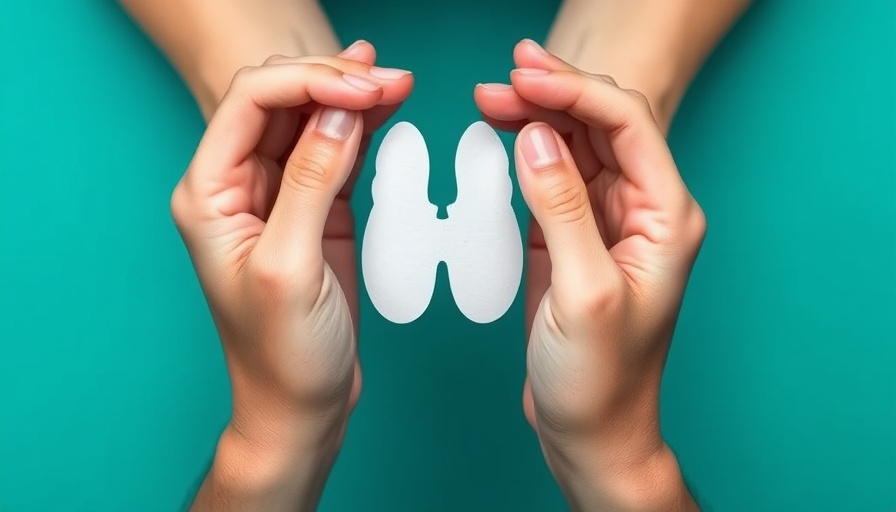
Model of thyroid held in hands, illustrating treating Hashimoto’s Disease with diet.

The Invisible Battle: Understanding Hashimoto’s Disease

Hashimoto’s disease, an autoimmune condition that can lead to hypothyroidism, remains a challenge for many. This serious disorder occurs when the body’s immune system attacks the thyroid gland, affecting its ability to produce essential hormones. Interestingly, while genetic factors are involved, environmental influences also play a significant role, with studies showing that identical twins may share this condition only half the time, illustrating how important external factors can be.

The Role of Diet in Managing Hashimoto's

For those living with Hashimoto’s, dietary choices can make a profound impact on overall health. Research indicates that certain foods and eating habits can significantly affect thyroid function. Although plant-based diets seem to offer some protection against hypothyroidism, the extent of their effectiveness hasn’t been fully tested in rigorous trials. Nonetheless, many individuals find that shifting to a more plant-centric diet can lead to improvements in their autoimmune symptoms.

Unveiling the Power of Nigella Sativa

Among dietary interventions, Nigella sativa, or black cumin, has stood out in research as a potent ally for those with Hashimoto’s disease. In a controlled study, participants taking just half a teaspoon of this spice daily achieved remarkable results: reduced thyroid-stimulating hormone levels, decreased autoimmune antibodies, and improved overall thyroid hormone levels. These findings not only highlight its efficacy but also suggest it may serve as a safe, natural treatment for managing autoimmune inflammation and enhancing thyroid health.

Balancing Hormones and Reducing Inflammation

The health benefits go beyond thyroid management. Participants in the aforementioned study also experienced a decrease in LDL cholesterol levels, suggesting that incorporating black cumin could support heart health, a significant concern for those with Hashimoto’s. With chronic inflammation frequently linked to autoimmune diseases, this spice offers a promising approach to reduce inflammation in the body.

Making Empowered Choices: What You Can Do

Taking charge of your health is essential when dealing with an autoimmune disorder like Hashimoto’s. Regular consultations with healthcare professionals, along with informed dietary choices, can pave the way toward improved wellness. Incorporating anti-inflammatory foods, being mindful of cooking methods (avoiding high-temperature methods that create pollutants), and considering spices like black cumin are actionable strategies that may yield positive results.

Connect with the Community: Share Your Journey

For many, sharing experiences with others can amplify healing and support. Whether through local meet-ups, online forums, or social media groups, connecting with others facing similar challenges can provide insights, encouragement, and even new strategies in managing Hashimoto’s. Together, individuals can navigate this journey towards better health, learning from each other’s experiences.

As more research unfolds, the clear connection between lifestyle and immune function will continue to be explored. By making informed dietary choices and embracing community support, managing Hashimoto’s can evolve from a daunting battle into a shared journey of empowerment and resilience.

Diet and Nutrition Tips

2 Views

0 Comments

Write A Comment

*
*
Related Posts All Posts
02.19.2026

Exploring Extreme Weight-Loss Devices: Benefits and Risks Unveiled

Update Extreme Weight-Loss Devices: A Closer Look As trends in weight loss continually evolve, some methods increasingly toe the line between innovative and extreme. Recently, devices like the AspireAssist siphon assembly have made headlines for their unique and somewhat unsettling approach to weight management. This percutaneous gastrostomy device allows individuals to drain food from their stomach after eating. While this may seem bizarre, it brings attention to just how desperate some may feel in the face of an obesity epidemic that affects over 40% of adults in the U.S., leading to serious complications such as heart disease and diabetes. The Mechanics Behind the Madness The AspireAssist device allows users to suck out their food directly from their stomachs after meals, allowing them to indulge in their favorite junk foods with minimal consequences. The clear tubing gives patients an unpleasant visual reminder of just what unhealthy choices result in—an incentive for many users to choose healthier options to avoid the sight of their gastric aspirate. But patients must also be wary of risks such as potassium deficiency or minor wound complications. In severe cases, more serious issues can arise. The question remains: is the trade-off worth it? Risks vs. Rewards: The Cost of Convenience Though certain devices promise efficient weight loss, they do not come without risks. According to FDA guidelines, all medical devices used for weight loss have their own set of benefits and potential adverse effects. For example, the duodenal-jejunal bypass liner has been linked to severe adverse side effects, including lacerations and penetrating trauma. While some may view these devices as a last resort to combat obesity, others suggest that lifestyle changes should remain at the forefront of weight loss endeavors. Innovative Alternatives Gaining Ground Just as alarming as the AspireAssist are alternative solutions such as Plenity, a recently FDA-approved weight-loss device composed of capsules filled with hydrogel particles. The particles expand once ingested, helping people feel fuller for longer without the complications of surgery or invasive procedures. In clinical trials, individuals using Plenity dropped an average of 6.4% of their initial weight when combined with diet and exercise, offering accountability without resorting to extreme measures. Such promising alternatives might be a better route for a broader population. Future Directions in Weight Management The array of extreme weight-loss devices underscores a societal struggle concerning obesity. With more than 70% of the U.S. population facing overweight issues, there’s no denying the urgent need for effective weight loss solutions. However, as alternatives like the less invasive Plenity emerge, it’s critical to continue re-evaluating the impacts of existing methods. Balancing the pursuit of weight loss with safety and sustainability is essential in shaping future innovations. Empowering Communities Through Better Choices At the end of the day, while extreme weight-loss devices may offer quick results, they should not eclipse the importance of a healthy lifestyle. Empowering communities to make informed choices regarding diet and fitness can yield lasting changes. As a society, we should support those seeking to improve their health with healthier options and shared resources, rather than pushing individuals towards potentially harmful solutions.

02.12.2026

Unlockings Men's Sexual Health: How Nuts Improve Sperm and ED

Update Nuts: Nature's Aphrodisiacs for Modern Men Did you know that the simple act of munching on nuts might hold surprising benefits for men's sexual health? Recent studies indicate that a handful of nuts — specifically walnuts, almonds, and hazelnuts — can lead to significant improvements in erectile function and sperm quality. While traditionally associated with healthy snacking, nuts have now been dubbed "nature's aphrodisiacs," giving men more reason to include these tasty morsels in their diet. The Impact of Dietary Choices on Sexual Health Erectile dysfunction (ED), a common issue that affects many men, can often be exacerbated by poor lifestyle choices such as unhealthy eating, lack of exercise, and high stress. A landmark study revealed that men consuming at least 60 grams (about two handfuls) of nuts each day showed improved sexual function and sperm count in as little as 14 weeks. For many, this suggests that dietary changes could be a more natural alternative to conventional treatment methods, highlighting the influence of nutrition on overall health. Connecting Nuts and Sperm Quality Why are nuts so effective? Nuts are abundant in antioxidants and healthy fats, which contribute to improved endothelial function — essential for healthy blood flow and, consequently, erections. Research shows that those who included nuts in their diet experienced a notable improvement in sperm motility and shape, reinforcing the notion that a healthy diet can enhance reproductive capabilities. This is not just chance; the science behind these results backs up the age-old adage that you are what you eat. Fun Facts About Nut Consumption 1. Ancient Wisdom: Throughout history, nuts have been regarded as a symbol of fertility in many cultures. While some may have dismissed this as folklore, modern science is giving these age-old beliefs new life. 2. More than Just Pleasure: Besides their potential to enhance sexual health, nuts are nutrient powerhouses packed with healthy fats, fiber, and protein. They support heart health, weight management, and overall morale among many health-conscious individuals. 3. All Around the World: Different cultures have long embraced nut consumption. From Mediterranean mezze platters to Asian stir-fries, nuts are integral to many global culinary practices. The Study Behind the Findings A comprehensive trial, referred to as FERTINUTS, tracked the impact of nut consumption on men’s sexual health and performance. Researchers found that the men who added mixed nuts to their typical western diet not only reported enhanced testosterone levels but also improved orgasmic functions and sexual desire. This marks a significant step in scientific discussions about the relationship between diet and sexual health. Moreover, the Findings Are Exciting The evidence is compelling! Many men, particularly those ages 18-35, could benefit immensely from incorporating nuts into their regular eating patterns. Not only does it cater to improving sexual health, but it can also steer them toward a more balanced and nutritious diet overall. Practical Tips for Incorporating Nuts into Your Diet If you're eager to reap the benefits of nut consumption, consider these practical tips: Start your day with a nutty smoothie: Blend your favorite fruits with a handful of almonds or walnuts for a tasty breakfast. Snack smart: Keep mixed nuts on hand instead of unhealthy chips or cookies during movie night. Top off your meals: Sprinkle nuts on salads or use them as a crunchy topping on yogurt and desserts. Join the Nutty Revolution! Whether you're looking to address sexual health issues or simply enhance your overall well-being, it's time to give nuts a place in your diet. Embrace this small but mighty food group and join the movement toward better health — one handful at a time! For those interested in exploring more health benefits related to diet and fitness, stay connected with our blogs, and keep expanding your understanding of nutrition and wellness.

02.10.2026

Discover Which Foods Help Heal a Leaky Gut: A Vital Guide

Update Understanding Leaky Gut: What It Means for Your Health Have you ever felt bloated after a meal or noticed unexplained fatigue? These symptoms might be linked to a condition known as leaky gut, a term gaining traction in health discussions. The medical community refers to it as increased intestinal permeability, where gaps in the intestinal walls can allow toxins, bacteria, and undigested food particles to enter the bloodstream. This leakage can cause chronic inflammation and various health issues, from autoimmune diseases to food sensitivities. Why Diet Matters: The Role of Nutrition in Gut Health The diet we consume plays a critical role in maintaining a healthy gut. A study highlighted in Nutrition Facts suggests that diets high in processed foods can disrupt our gut microbiome, leading to dysbiosis—a term for gut imbalance. Conversely, a predominantly vegetarian diet rich in plants supports good gut health. According to research, such diets are associated with a less problematic gut microbiome and improved intestinal integrity. Fiber: The Gut’s Best Friend Fiber is pivotal in promoting gut health. It acts as food for beneficial gut bacteria and is crucial for producing short-chain fatty acids that nourish the cells lining the intestines. Studies indicate that dietary fiber might be essential for improving gut permeability. For instance, individuals diagnosed with non-alcoholic fatty liver disease showed a significant reduction in zonulin levels— a marker indicating gut permeability—after consuming high-fiber whole foods for six months. Beneficial Foods: What to Eat So, what should you include in your diet if you're looking to mitigate leaky gut symptoms? Emphasize a variety of whole plant foods: Vegetables: Broccoli, carrots, spinach, and kale are powerful options. Fruits: Berries, bananas, and apples provide necessary vitamins and fiber. Legumes: Lentils, beans, and chickpeas are excellent sources of protein and fiber. Nuts and seeds: Incorporating chia seeds and walnuts can enhance intake of omega-3 fatty acids. Fermented foods: Sauerkraut, kimchi, and yogurt introduce beneficial probiotics that aid digestion. Foods to Avoid: What Harms Gut Health While knowing what to eat is vital, recognizing what to avoid can be just as important. Here are some foods that can exacerbate gut issues: Processed foods, including sweets and snacks. Refined grains like white bread and pastries. Dairy products, especially those high in lactose, which can irritate the gut. Gluten-containing foods for those sensitive to gluten. Alcohol and caffeine, which may lead to inflammation. Supplementary Benefits: Beyond Food In addition to dietary changes, certain supplements may support gut health. Zinc is one mineral noted for its protective role against gut permeability alterations. Studies suggest that even a modest amount, as found in a cup of lentils, can help maintain gut integrity. Healthy Habits for a Happy Gut Incorporating lifestyle changes can also greatly improve gut health beyond just diet. Consider prioritizing quality sleep, managing stress levels through yoga or meditation, and increasing physical activity. Staying hydrated and avoiding smoking further contributes to a more resilient and healthy gut. Take Control of Your Gut Health Leaky gut is linked to numerous health concerns, but taking charge of your diet and lifestyle can lead to significant improvements. Emphasizing plant-based foods, minimizing processed items, and considering supplements may help restore your gut's balance. Become proactive in your approach to health. Now might be the perfect time to evaluate your diet—your gut and overall health depend on it!

Terms of Service

Privacy Policy

Core Modal Title

Sorry, no results found

You Might Find These Articles Interesting

T
Please Check Your Email
We Will Be Following Up Shortly
*
*
*