
Add Row
Add Element
Chambers First Class Connections Kansas City
update
Healthy Living
Kansas City
 
update
Add Element
  • Home
  • Categories
    • Business Directory
    • Mental Health & Wellness
    • Destination Spas & Health Resorts
    • Best Vitamins & Supplements
  • Beauty News
    • Beauty & Skincare
  • Fitness & Physical Wellness
    • Yoga & Classes
    • Sports & Outdoor Recreation
    • Chiropractic & Physical Therapy
    • Personal Training & Coaching
    • Fitness & Exercise
    • Fitness For Seniors
    • Fitness
  • Restaurants & Nutrition
    • Restaurants
    • Diet and Nutrition Tips
    • Supplements & Superfoods
    • Farmers' Markets & Local Food
  • Healthy Living & Enviorment
    • Air and Water Purification
    • Healthy Home & Enviroment
    • Substainability & Green Living
July 10.2025
2 Minutes Read

Eating for Health: Can Lowering Saturated Fat Help Control Cancer Metastasis?

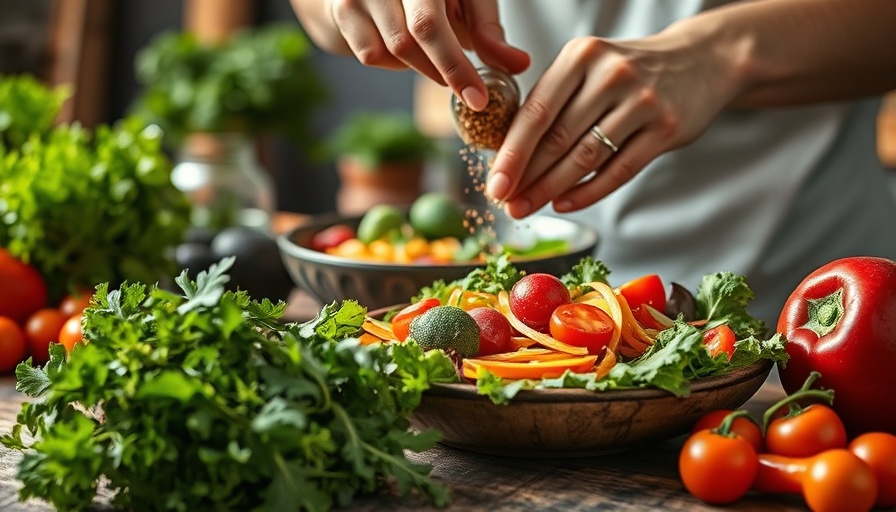
Healthy salad preparation for controlling cancer metastasis with diet.

Understanding Cancer Metastasis and Nutrition

Cancer metastasis is often the game-changer in cancer treatment, significantly affecting survival rates. While localized breast cancer has a five-year survival rate of nearly 99%, this drastically reduces to just 27% when cancer spreads (or metastasizes) to other parts of the body. As researchers continuously search for effective treatments, they are uncovering the crucial link between diet and cancer progression, especially concerning saturated fats.

The Role of Saturated Fats in Cancer Survival

Studies have shown a significant correlation between high saturated fat intake and breast cancer mortality. Saturated fats, common in meat and dairy products, can activate a fat receptor known as CD36, which aids in cancer cell spread. This has led to the conclusion that limiting saturated fat could be beneficial for metastasis control.

Healthier Dietary Choices

Researchers emphasize that shifting away from high-fat dairy can lead to better outcomes for cancer survivors. For instance, women who consume high-fat dairy face about a 50% increase in the risk of breast cancer-related deaths. On the other hand, incorporating low-fat options into meals could dramatically improve survival chances.

What Science Tells Us About CD36

The receptor CD36 has stood out in research for its compelling link to cancer risk. Those carrying specific variations of the CD36 gene may face up to eight times higher risk for colorectal cancer when consuming high meat diets. Making educated dietary decisions could play a pivotal role in lowering this risk.

Inspiring Change Through Dietary Intervention

A recent clinical trial highlighted the positive impact of reduced fat intake on women who previously battled early-stage breast cancer. Participants who significantly lowered their fat consumption observed promising improvements. Following a low-fat diet for five years can aid recovery and enhance well-being post-surgery.

Importance of a Teachable Moment

A cancer diagnosis often empowers individuals to reassess and modify their lifestyle choices. This teachable moment could help highlight the importance of diet in managing health. Providing evidence-based dietary guidelines can motivate patients to make impactful changes to their nutrition that may promote their longevity and well-being.

Finding Support in Dietary Changes

Switching to a healthier diet doesn’t have to feel overwhelming. Engaging in community support groups can be a fantastic way to share recipes and tips. Furthermore, exploring local farmers' markets can help individuals get fresh produce and make exciting, healthy dishes.

In conclusion, by understanding the link between diet and cancer, individuals can make informed choices that potentially improve survival rates. Emphasizing low-fat options and fresh ingredients will not just serve as a means of cancer prevention but shape a healthier lifestyle for everyone.

Diet and Nutrition Tips

1 Views

0 Comments

Write A Comment

*
*
Please complete the captcha to submit your comment.
Related Posts All Posts
04.07.2026

Discover the Power of NutritionFacts.org Resources for Healthy Living

Update Unlocking the Potential of NutritionFacts.org NutritionFacts.org offers a treasure trove of resources dedicated to creating healthier lives through nutrition. With an emphasis on plant-based diets, Dr. Greger shares his insight into the significant benefits of consuming whole, minimally processed foods. As we celebrate the tenth anniversary of his groundbreaking book, How Not to Die, a documentary highlighting Dr. Greger’s journey was commissioned, showcasing his dedication to evidence-based nutrition. Understanding the Daily Dozen Meal Planning Guide At NutritionFacts.org, one of the centerpieces is the Daily Dozen Meal Planning Guide. This guide is an easy tool that encourages individuals to incorporate a variety of healthful foods into their meals, maximizing their intake of vegetables, fruits, whole grains, and legumes while minimizing processed foods. By using the checklist from Dr. Greger's book, visitors can strategize their grocery shopping and meal preparation effectively. You can download the guide for free and start changing your eating habits today! Engage with Nutrition Through Online Learning NutritionFacts.org provides various engaging learning methods for those interested in plant-based nutrition. Subscribers can sign up for free email series like How to Live Longer and the Plant-Based Living series, which provide actionable tips along with science-backed information on maintaining optimal health. These email supports make it easier for individuals to adopt healthier lifestyles through practical guidance. Dive Into Dr. Greger’s Presentations For those who prefer auditory learning, the podcast, Nutrition Facts with Dr. Greger, offers an engaging way to learn about nutrition while on the go. Additionally, Dr. Greger’s live presentations, which can be attended virtually, cover a slew of relevant topics, including insights from his latest research and findings concerning ultra-processed foods, an increasingly relevant conversation in health circles. Resources for Health Professionals Recognizing the need for ongoing education, NutritionFacts.org has curated accredited webinars for professionals seeking continuing medical education (CME) credits. These webinars delve into critical topics such as osteoporosis and potassium salt substitutes, making it easier for medical professionals to stay informed about the latest in nutrition science. A Wealth of Video Resources To enhance learning and understanding of various health topics, NutritionFacts.org hosts a comprehensive video library that covers a wide range of subjects related to plant-based diets. Whether you wish to understand how certain foods influence your mood or learn about the best practices for a whole food diet, the video resources provide valuable information accessible to everyone. Delicious and Healthy Recipes The recipe collection at NutritionFacts.org features meals based entirely on high-nutrient plant ingredients. Each recipe is aligned with Dr. Greger's Daily Dozen checklist, ensuring that readers can prepare meals that support their health goals. Designing your meal plan becomes exciting with options ranging from roasted chickpea and kale salad to sweet potato mac and cheese. Enhance Your Health Knowledge Today! The knowledge and resources available at NutritionFacts.org are not just valuable for individual health seekers; they also serve as premium tools for community leaders, educators, and health professionals. With a commitment to sharing nutritional information that is scientifically-backed and easy to access, the website equips you to make informed dietary choices. Ready to take the first step towards better health? Sign up for our newsletters and start using these nutritious resources today!

04.03.2026

Potatoes and Life Expectancy: The Surprising Truth for Potato Lovers

Update Unpacking the Potato Debate: Are They Really Dangerous? When it comes to potatoes, opinions swing wildly; they are either hailed as nutritious staples or vilified as potential health hazards. Research from Harvard has flagged calorie-rich potato varieties—particularly when consumed frequently—as being linked to higher risks of hypertension and heart disease. Ironically, many diets incorporate these humble tubers, leading to questions about whether they deserve the bad rap. The Role of Cooking Methods in Potato Consumption Did you know that how you prepare your potatoes can greatly influence their health implications? In the West, potatoes are often served fried or smothered in butter and salt, which can amplify any adverse effects on blood pressure. However, in Mediterranean cultures, potatoes are commonly boiled and served with vegetables, which could explain the disconnect in health outcomes. Studies have shown that when potatoes are consumed as part of a balanced diet with fewer saturated fats and salts, they do not correlate with increased mortality rates. The Importance of Moderation Moderation seems to be the key when it comes to enjoying potatoes. While enjoying a dish of mashed potatoes occasionally might not pose a risk, indulging in fries often could potentially double the risk of premature death, particularly from cancer. Watching portion sizes and being mindful of chronic food habits can significantly impact one's health. Nutritionists Weigh In: Potatoes vs. Processed Foods Experts agree that potatoes should not be solely scrutinized in isolation. Instead, they advocate looking at overall dietary patterns. Potatoes can be a source of potassium, fiber, and other essential nutrients, but their effects differ vastly when compared to processed versions—such as chips and fries—laden with unhealthy fats and additives. A balanced plate of whole foods remains crucial for long-term well-being. Conclusion: Finding Balance in Potato Consumption The bottom line about potatoes is not just about life expectancy but how they fit into your overall lifestyle. A balanced and diverse diet—which includes moderation in potato consumption—could potentially safeguard you against the negatives while allowing you to enjoy a variety of dishes. Remember, a healthy lifestyle is about more than just eliminating foods; it's about incorporating them wisely into your meals. Want to explore more about making healthy dietary choices while enjoying what you love? Dive into our community of sports and fitness enthusiasts and discover how you can make nutritious choices that align with your active lifestyle!

03.31.2026

Potatoes and Diabetes: Navigating the Health Risks of Consumption

Update Understanding the Link Between Potatoes and Diabetes Potatoes have long been a staple in diets worldwide, but recent studies have sparked significant debate about their relationship with type 2 diabetes (T2D). In particular, the Harvard Nurses' Health Study has raised alarms, suggesting that greater potato consumption is linked to an increased likelihood of developing T2D. It’s essential to grasp why this association exists and what it means for our plates. The Statistics are Alarming According to various studies, including extensive research published in a meta-analysis in 2018, each serving of potatoes consumed daily could increase the risk of diabetes by about 20%. Interestingly enough, baked and boiled potatoes show a smaller risk, primarily attributed to their higher fiber content and lower glycemic index compared to fried varieties. French fries stand out as the most dangerous in this regard, showing an increased risk of almost five times that of their non-fried counterparts. This highlights an important distinction: while potatoes can be part of a healthy diet, how they are prepared dramatically influences their health benefits. Cooking Methods Matter The way potatoes are prepared plays a critical role in their health implications. For example, frying potatoes not only adds unhealthy fats but also creates compounds like acrylamide that can pose health risks. A recent study suggests that substituting three servings of fried potatoes with whole grains could lower the risk of T2D by nearly 19%. This raises the question: what are we really adding to our meals with our favorite fry-ups? Embracing Healthier Substitutes Replacing potatoes with whole grains is often recommended as a healthier alternative. Whole grains have been consistently linked with lower rates of T2D. Instead of reaching for the fries, opting for healthier sides like quinoa, brown rice, or even non-starchy vegetables can lead to better health outcomes. Not only do these alternatives provide essential nutrients, but they also help regulate blood sugar levels more effectively than potatoes. What This Means for Everyday Eating Understanding the potential link between potato consumption and diabetes risk invites us to reconsider our dietary habits. As convenient as it may be to rely on potatoes in our meals, exploring a diverse array of whole foods might be the key to maintaining health. Going forward, balancing meals with a variety of vegetables, whole grains, and lean proteins can lead to a more health-conscious approach. Final Thoughts The relationship between potatoes and diabetes is complex, influenced by factors such as cooking methods and dietary context. While potatoes can still have a place in our diets, being mindful about how they're prepared and what they're served with is crucial. As we learn more about food and health, let’s encourage ourselves and others to explore healthier eating habits and embrace a more balanced lifestyle. Step away from the fryer and embrace a colorful plate filled with nutrients and health benefits.

Terms of Service

Privacy Policy

Core Modal Title

Sorry, no results found

You Might Find These Articles Interesting

T
Please Check Your Email
We Will Be Following Up Shortly
*
*
*