Add Row
Add Element
Chambers First Class Connections Kansas City
update
Healthy Living
Kansas City
 
update
Add Element
  • Home
  • Categories
    • Business Directory
    • Mental Health & Wellness
    • Destination Spas & Health Resorts
    • Best Vitamins & Supplements
  • Beauty News
    • Beauty & Skincare
  • Fitness & Physical Wellness
    • Yoga & Classes
    • Sports & Outdoor Recreation
    • Chiropractic & Physical Therapy
    • Personal Training & Coaching
    • Fitness & Exercise
    • Fitness For Seniors
    • Fitness
  • Restaurants & Nutrition
    • Restaurants
    • Diet and Nutrition Tips
    • Supplements & Superfoods
    • Farmers' Markets & Local Food
  • Healthy Living & Enviorment
    • Air and Water Purification
    • Healthy Home & Enviroment
    • Substainability & Green Living
March 19.2025
3 Minutes Read

How Mindfulness Practices from First Graders Can Improve Our Lives

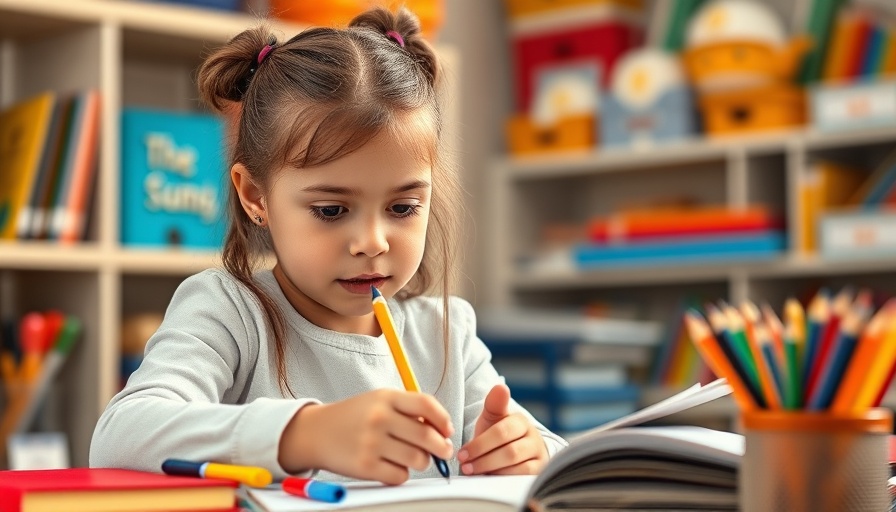
Mindfulness in schools: Young girl focused on classroom activity.

Embracing Mindfulness: Lessons from Young Minds

In today's world, where stress and anxiety are rampant among children and teens, introducing mindfulness practices in schools has become more vital than ever. Thanks to programs like Space Between, first graders like Elijah and Romir are learning invaluable tools that can help them—and, in turn, us—navigate life's challenges with a bit more ease.

The Welcoming World of Mindfulness for Kids

Mindfulness in education has gained traction as a powerful method to enhance emotional regulation and improve focus among students. Research indicates that as many as 25% of teenagers experience anxiety disorders, emphasizing the necessity for accessible coping mechanisms from an early age. Implementing mindfulness strategies not only aids in managing these feelings but also fosters a nurturing environment conducive to learning, as noted by Juliann Garey from the Child Mind Institute.

Simple Mindfulness Practices for Everyday Life

Children, as exemplified by Romir's Zig-Zag Breath and Elijah's Square Breathing, can teach adults that mindfulness doesn’t have to be complicated. The power of a simple breath can do wonders to calm the mind and reset one’s emotional state. In the pressures of modern society, these quick techniques can be a robust ally against everyday stressors.

Building Lifelong Skills: Connecting with Emotions

Mindfulness practices for children aren't just about managing stress—they are about building self-awareness, self-control, and interpersonal skills. The lessons these kids learn now can ripple into adulthood, equipping them for various challenges along their paths. Recognizing the importance of emotional intelligence from such a young age is critical in developing healthier relationships with themselves and the world around them.

The Role of Teacher Training: Equipping Educators

For mindfulness to take root in schools, educators must be equally equipped. The implementation of mindfulness programs like those employed in the Mamaroneck School District not only addresses student needs but also allows teachers to connect with their own wellness practices. When teachers engage with mindfulness themselves, their capacity to nurture a mindful classroom environment significantly improves.

Research Findings: The Ongoing Impact of Mindfulness Education

Empirical studies, such as a groundbreaking study by Kimberly Schonert-Reichl, indicate that children exposed to mindfulness training demonstrate significant gains in emotional regulation and academic performance compared to their peers who do not participate in such programs. Children capable of expressing their feelings and managing their emotional states are less likely to exhibit aggressive behavior and show enhanced social skills.

Your Turn: Engage with Mindfulness Today

For those interested in fostering mindfulness in their children’s lives or their own, numerous resources are available that offer practical exercises—ranging from guided meditations to breathing techniques. Exploring tools such as 'Mindfulness for Kids' or apps like 'Take a Chill' can greatly enhance both children's and adults' understanding of their emotional landscapes.

Common Misconceptions About Mindfulness and Meditation

Despite the growing popularity of mindfulness in education, misconceptions linger. Many people equate mindfulness practice with complex meditation or yoga routines. However, as simple practices like the ones demonstrated by Elijah and Romir show, mindfulness can be straightforward and accessible to all children. Teaching kids these rudimentary techniques empowers them to handle stress, focus their attention, and engage meaningfully with others.

Call to Action: Start Your Mindfulness Journey

As we learn from these inspiring first graders, it is never too early—or too late—to begin incorporating mindfulness into our lives. Consider dedicating a few minutes each day to practice mindfulness, whether through guided meditations or free breathing exercises. Explore available resources and take actionable steps in nurturing this essential skill—your journey towards a more peaceful and focused life awaits!

Mental Health & Wellness

1 Views

Write A Comment

*
*
Related Posts All Posts
12.13.2025

The Rise of Mandated Mindfulness: Can It Truly Benefit Students?

Update The Push for Mindfulness in Schools: A Step Towards Wellness or a Burden?In June 2023, New York City Mayor Eric Adams announced a program requiring every public school student to engage in two to five minutes of mindful breathing every morning—a move many see as a positive initiative in response to the youth mental health crisis exacerbated by the pandemic. With over a million students in the NYC public school system set to benefit from this breathing exercise, the intention is clear: equip students with tools to combat anxiety and stress. However, experts in the mindfulness community, including educators like Kimberly Daniels, caution that while the initiative shines a light on the importance of mental health, its practical implementation might face hurdles.Understanding the Nuances of Mandated MindfulnessThis requirement, while seemingly beneficial, has raised concerns about the execution. For many teachers, the prospect of adding yet another mandate to their already overwhelming responsibilities can feel daunting. "A lot of teachers were rolling their eyes because it was one more thing they were being mandated to do," noted Daniels. Though the initial response may be skepticism, the opportunity exists for meaningful change if educators are fully supported in the implementation process.The Role of Trained Guidance in Successful ImplementationSuccessful mindfulness programs typically require skilled facilitators who understand how to engage students effectively. For instance, Daniels’ role as Mindfulness Director allows her to develop customized approaches that resonate with both students and teachers alike. However, in many public schools, this level of support is rare. Right now, schools without a trained mindfulness staff may struggle to integrate this practice authentically, leading to a half-hearted approach that lacks the passion needed to foster genuine self-awareness among students. Effective training and resources are critical for maximizing the impact of mandated mindfulness.Potential Pitfalls and Teacher BurnoutAs the program rolls out, the risk of teacher burnout looms large. If educators feel unsupported or ill-equipped to deliver mindfulness practices effectively, the initiative could backfire. "Programming implemented by burnt out educators going through the motions with bored students is not usually a recipe for success," remarked Tzelnic in his insights on mandated mindfulness. Without adequate professional development and a commitment to making mindfulness an integral part of the educational experience, this well-intentioned program might lead to disengagement rather than transformation.Broader Implications for Mental Health Policies in SchoolsThe implementation of mandated mindfulness fits into a larger conversation about mental health resources available for students. Recent initiatives to improve mental well-being in schools must go beyond just introducing a breathing exercise; they must incorporate comprehensive support systems within the educational framework. Experts argue that alongside mindfulness mandates, more robust programs targeting mental health, counseling, and crisis intervention be made available in schools as well. As we approach the new school year, the need for a broader strategy is clear.While there is growing enthusiasm around integrating mental health practices in education, it is essential to prioritize structured training and support for teachers. By delivering evidence-based practices through knowledgeable facilitators, we could see real positive changes in our students. The conversation surrounding mandated mindfulness continues to grow, revealing both the potential benefits and inherent challenges of its implementation. Practicing mindfulness offers a path toward healing, but for it to work, we must equip educators with a full toolkit, ensuring they don’t feel more burdened, but empowered in this vital endeavor.

12.11.2025

Embrace the Joy of Writing by Hand: Rediscover Cognitive Benefits

Update Rediscovering the Lost Art of Handwriting In an age dominated by screens and keyboards, the simple act of writing by hand feels increasingly like a relic of the past. Yet, as we navigate through this digital-dominated landscape, it is essential to pause and reflect on the profound benefits of putting pen to paper. Writing by hand is not merely a form of communication; it is a deeply enriching practice that has historically played a central role in human connection and creative expression. The Science Behind Writing by Hand Multiple studies, including research conducted at Indiana University, highlight that writing by hand stimulates brain activity in ways that typing does not. When children engage in freehand writing, their brains light up in three different areas, indicating heightened mental engagement. This neurological activity suggests that writing by hand helps in idea generation and information retention, which is particularly useful for students and anyone looking to enhance their cognitive abilities. Crafting a Personal Connection Handwriting embodies the uniqueness of personal expression. Each letter and stroke carries an inherent individuality that reflects the writer's personality, emotions, and even state of mind. Unlike the uniformity of typed text, handwritten notes resonate on a personal level—inviting readers to feel the sentiments captured within them. This connection is especially critical in our fast-paced world, where authentic expression often gets overshadowed by digital communication. Handwriting as a Mindful Practice Incorporating handwriting into your daily routine can unlock new reservoirs of creativity. Much like meditation, writing by hand encourages mindfulness. It allows individuals to slow down, to become more present in the moment, and to embrace the imperfections of their craft. Engaging in 'slow writing'—a process of writing without the pressures of perfection—can be an effective tool for self-reflection and personal growth. The Benefits of Embracing Imperfection When you write by hand, there is an inherent messiness that can lead to unexpected insights. Embracing the quirks of our handwriting can mirror life's unpredictability, allowing our creative flow to blossom naturally. This fluidity can be liberating, encouraging a more profound exploration of thoughts and ideas without the constraints that typing often imposes. Revival of Handwriting in the Digital Age Though technology has transformed how we communicate, it is not at the expense of handwriting’s importance. Rather, it creates an opportunity for revival. Exploring ways to incorporate handwritten notes into our lives—whether through journaling, letter writing, or creative writing—can enrich our experiences and provide therapeutic benefits. By reinstating the habit of writing by hand, we make a conscious choice to engage more deeply not only with our thoughts but also with one another. A Personal Journey in Handwriting Many individuals have shared their positive experiences with handwritten practices. From keeping journals to composing heartfelt letters, the tactile feel of paper and pen connects them with their thoughts on a deeper level. As one writer puts it, 'It feels as if my soul spills out onto the page, unhindered by the confines of a screen.' This sentiment underscores the importance of maintaining this tradition, distinct from digital communication. Finding Your Handwriting Style Every individual has a distinct handwriting style that tells a story of their individuality. Engaging in handwriting can also spark a journey of self-discovery. Whether you wish to embellish your scripting or keep it raw and authentic, the key is to find joy in it. Explore new styles and allow yourself the freedom to experiment; after all, there is beauty in imperfection. As we continue our digital journey, let us not forget the valuable art of handwriting. It holds the power to unlock creativity, foster connections, and provide solace in times of stress. Embrace the practice of writing by hand, and experience how this simple joy can transform your mental landscape.

12.10.2025

Mindfulness Meditation: Your Path to Easing Pain and Embracing Joy

Update Unlocking the Power of Mindfulness for Pain ReliefIn today's fast-paced world, the concept of mindfulness has emerged as a beacon of hope for many seeking relief from chronic pain. Mindfulness is not just a trend; it is a profound practice deeply rooted in ancient traditions that encourages us to shift our focus inward, cultivating awareness of the present moment. The mindfulness meditation, as shared by Vanessa Hutchinson-Szekely, illustrates the potential of this practice to alleviate suffering—both physical and emotional.Understanding Pain Through MindfulnessPain is an inevitable part of the human experience. Whether it manifests as chronic conditions, emotional distress, or situational discomfort, accepting its presence can be transformative. Hutchinson-Szekely's guided meditation encourages practitioners to sit with their pain rather than fight against it, promoting awareness and compassion. This approach can help reduce anxiety associated with pain, offering a supportive framework for those who might feel isolated in their suffering.Creating a Safe Space WithinHutchinson-Szekely’s meditation emphasizes the importance of creating a safe mental space. By instructing individuals to breathe deeply and visualize a warm, soft light enveloping areas of discomfort, this practice fosters not only relaxation but also a nurturing environment for healing. The act of visualization is particularly powerful, allowing individuals to associate feelings of safety and comfort with their painful areas. This exercise can significantly shift one's relationship with their pain, turning it from an adversary into a mindful companion.The Joyful Shift: From Pain to PositivityOne of the key elements in Hutchinson-Szekely’s meditation is the transition from acknowledging pain to inviting joy. This shift is crucial. By consciously recalling pleasant memories or sensations, individuals can create a ripple effect throughout their bodies that calms their minds and reduces tension. Joy becomes not only a feeling but also a tool for healing. It reminds us that even in tough times, moments of happiness can coexist with pain, allowing for a more holistic approach to wellness.Practical Tips for Daily Mindfulness PracticeFor those interested in incorporating this meditation into their daily lives, here are some practical tips:Daily Check-In: Spend a few moments each day to check in with your body and mind. Acknowledge any areas of discomfort without judgment.Breath Awareness: Take deep, conscious breaths while visualizing a light, allowing for a gentle release of tension.Joyful Imagery: Find a joyful memory or image that brings a smile to your face and visualize it during your practice. This can help create a bond between your experience of pain and moments of happiness.Recognizing that healing involves both acknowledging pain and embracing joy can empower individuals to make proactive health choices, promoting resilience and overall well-being.The Path Forward: Embracing a Holistic ApproachMindfulness practices like the one shared by Hutchinson-Szekely offer invaluable insights into living with pain. Through understanding and compassion, individuals can reconnect with their bodies, ultimately fostering a sense of peace amidst chaos. It's important to remember that healing is a journey, often requiring patience and kindness towards oneself. As we embrace these practices, we open ourselves up to a world where pain does not have to define our experiences—inviting joy into our lives can lead to transformative outcomes.As you explore the journey of pain relief through mindfulness, remember that each small step is a victory. By taking time to engage in practices that nurture both body and mind, you are cultivating a holistic lifestyle that embraces the complexity of the human experience. So, take a moment today to pause, breathe, and invite joy into your life amidst any pain you may endure.

Terms of Service

Privacy Policy

Core Modal Title

Sorry, no results found

You Might Find These Articles Interesting

T
Please Check Your Email
We Will Be Following Up Shortly
*
*
*