
Add Row
Add Element
Chambers First Class Connections Kansas City
update
Healthy Living
Kansas City
 
update
Add Element
  • Home
  • Categories
    • Business Directory
    • Mental Health & Wellness
    • Destination Spas & Health Resorts
    • Best Vitamins & Supplements
  • Beauty News
    • Beauty & Skincare
  • Fitness & Physical Wellness
    • Yoga & Classes
    • Sports & Outdoor Recreation
    • Chiropractic & Physical Therapy
    • Personal Training & Coaching
    • Fitness & Exercise
    • Fitness For Seniors
    • Fitness
  • Restaurants & Nutrition
    • Restaurants
    • Diet and Nutrition Tips
    • Supplements & Superfoods
    • Farmers' Markets & Local Food
  • Healthy Living & Enviorment
    • Air and Water Purification
    • Healthy Home & Enviroment
    • Substainability & Green Living
May 15.2025
2 Minutes Read

Can a Plant-Based Diet Keep Ulcerative Colitis in Remission?

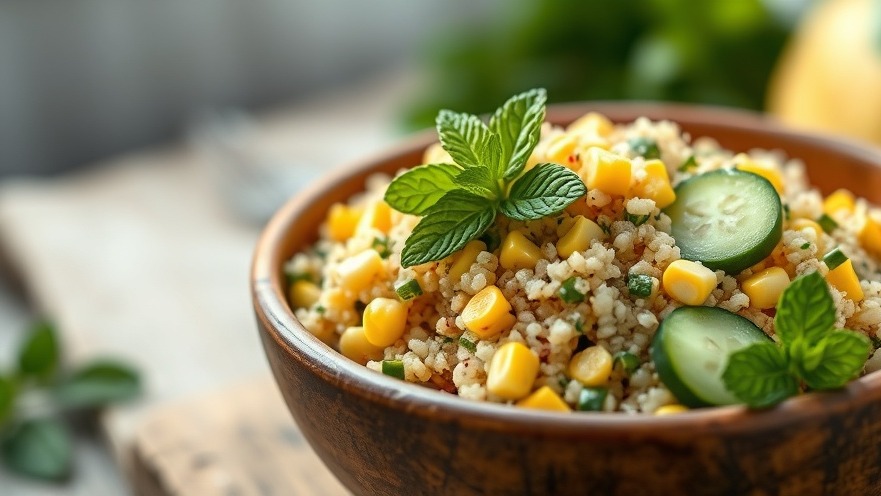
Vibrant quinoa salad showcasing whole foods for health, highlighting IBD dietary impact.


The Power of Plant-Based Diets for Ulcerative Colitis

Living with ulcerative colitis can be challenging, but recent studies reveal that adopting a plant-based diet could be a game-changer. Plant-based diets have shown to be 98 percent effective in keeping ulcerative colitis patients in remission, offering hope that dietary changes could significantly alter the course of this chronic illness. Researchers are noting that the consumption of animal products, particularly those containing sulfur, can lead to increased symptoms and relapses.

Understanding the Connection Between Diet and Inflammation

A diet rich in animal protein is associated with a heightened risk of developing inflammatory bowel disease (IBD) and a greater likelihood of experiencing relapses once diagnosed. The medical community is beginning to acknowledge that what we eat can impact our health profoundly. According to recent evidence, hydrogen sulfide, a gas derived from sulfur-containing amino acids prevalent in meat, may play a critical role in worsening ulcerative colitis symptoms.

Clinical Findings on Plant-Based Diets

The switch to a low-sulfur diet emphasizes eating more fruits, vegetables, whole grains, and legumes while minimizing animal protein and processed foods. In clinical trials, ulcerative colitis patients demonstrated remarkable improvements after transitioning to a whole plant foods-based diet. One notable study highlighted patients who, without changing their medications, experienced a fourfold improvement in their digestive symptoms simply by adopting this dietary approach. This aligns with reports from Japanese gastroenterologists who advocate for plant-based diets as a fundamental part of treatment for IBD.

Hope for Patients: A Personal Transformation

Case studies, albeit anecdotal, speak volumes about the potential success of dietary changes. A 36-year-old man lost weight on a restrictive low-carb diet but subsequently developed ulcerative colitis. However, when his meals shifted to include whole plant foods, his symptoms subsided without medical intervention. Such stories not only inspire research but also foster a more extensive investigation into metabolic health and dietary impacts.

A New Perspective on Treatment

As awareness grows about the link between diet and digestive health, health care providers must begin to incorporate this knowledge into treatment plans. Patients trying to manage ulcerative colitis should consider a plant-based approach for its anti-inflammatory properties. By promoting a shift away from traditional Western diets, we can redefine the landscape of IBD treatment, potentially allowing many to find relief through their food choices.


Fitness

4 Views

Write A Comment

*
*
Related Posts All Posts
11.20.2025

Healthy Plant-Based Hospital Menus: An Essential Step for Patient Care

Update The Growing Demand for Plant-Based Hospital Menus The recent resolution passed by the American Medical Association (AMA) advocates for hospitals across the U.S. to provide healthier, plant-based meal options. Given that dietary factors contribute to approximately 11 million deaths globally each year, this shift in hospital food is profound. It recognizes the urgent need to address the dietary habits that have become a leading cause of preventable illness and death. The AMA's initiative is a vital step toward improving patient health and wellbeing. The Importance of Nutrition Education Despite the crucial role diet plays in health outcomes, medical students often receive minimal nutrition training. Studies show that medical graduates typically receive just 19 hours of nutrition education throughout their years of intensive study. Strikingly, many students finish their training with a diminished appreciation for the importance of nutrition in health—down from about 75% at the start of their schooling to alarming rates close to 0% by the end. This gap signifies a troubling trend where future healthcare providers are not adequately equipped to discuss dietary changes that can prevent chronic diseases. Encouraging Healthier Choices in Hospitals There’s a strong push for hospitals to replace unhealthy food offerings with nutritious options. Some facilities, like Montefiore Medical Center in New York, are already adopting these changes by providing patients with plant-based vegan meals. Eliminating processed meats and unhealthy snacks is essential to supporting patients’ recovery and fostering long-term health improvements. The Connection Between Diet and Disease Prevention According to public health experts, adopting a plant-based diet can reduce the risk of severe health conditions, such as heart disease and diabetes. The AMA is emphasizing not only the necessity of healthier meals in hospitals but also the potential impact of proper nutrition guidance provided by physicians to patients. Enhanced awareness around plant-based diets as a part of disease prevention could transform the health landscape. Future of Food in Healthcare Settings The AMA’s resolution reflects a growing recognition within the medical community about the significance of nutrition in healthcare. If successfully implemented, the resolution could spark broader changes across the country’s healthcare systems. It aims to empower patients to take control of their dietary choices while ensuring that the food served in hospitals supports rather than hinders recovery. Take Action for Better Nutrition As consumers, advocates, and healthcare workers, it is essential to champion the move toward healthier hospital menus. Support for more plant-based options can significantly benefit patients, staff, and the environment. By pushing for these changes, we can help build a healthcare system that prioritizes nutrition and fosters a healthier society.

11.14.2025

3-MCPD in Cooked Oils: How to Protect Your Family from Harm

Update Understanding 3-MCPD in Cooking Oils Did you know that some of the most common cooking oils might contain a chemical that could be harmful to your health? 3-monochloropropane-1,2-diol, commonly referred to as 3-MCPD, can be found in many refined vegetable oils, including the widely used palm oil. This chemical can form during the heat treatment involved in the oil refining process, making it a concern for consumers. What Makes 3-MCPD Risky? Health experts have raised alarms over 3-MCPD because it has been identified as potentially toxic. Research indicates that high exposure levels may pose risks, such as kidney damage and even cancer. Notably, studies have shown that certain groups, like infants on formula made with refined oils, might face even greater risks due to their smaller bodies and typical dietary habits. Identifying the Problem in Your Pantry So how can you tell if the oils you're using are safe? The highest levels of 3-MCPD have been found in palm oil, the most popular cooking oil worldwide. In contrast, oils like canola oil appear to have lower levels of the chemical. If you're using oils for frying or preparing food regularly, it's worth paying attention to what's in your pantry. Choosing the Right Oils for Health The best way to minimize your exposure to 3-MCPD is by opting for unrefined oils whenever possible. These oils generally contain significantly lower levels of 3-MCPD compared to their refined counterparts. Olive oil is a great choice, but be cautious: some labeled as "extra virgin" might actually contain refined oil and thus higher 3-MCPD levels. Finding a reliable brand can help ensure you’re getting pure product. Why Should You Care? As consumers, being aware of what's in our food is essential. Mislabeling and contamination can lead to higher health risks, especially for vulnerable populations like children. Supporting companies that are committed to reducing harmful chemicals in their products can help make our food safer and promote healthier community choices. In conclusion, staying informed about 3-MCPD and the oils we consume empowers us to make better choices for our health. Whenever possible, use unrefined oils, and scrutinize product labels diligently. For further information, consider checking out local guidelines and resources on safe cooking practices. Together, we can foster a healthier food environment.

10.17.2025

Spices That Help You Lose Weight: Can Cumin and Saffron Change Your Diet?

Update The Power of Cumin and Saffron in Weight LossWhen it comes to diet and fitness, many people look for natural ways to shed pounds without resorting to pharmaceuticals or extreme diets. Two spices—cumin and saffron—are gaining attention for their potential role in weight loss. Research increasingly shows that these spices may offer health benefits that go beyond flavoring our favorite dishes.Cumin: A Natural Replacement for Weight Loss DrugsRecent studies indicate that cumin can be as effective as some weight loss drugs, known scientifically as orlistat. This spice is not only popular in cuisines around the globe but also shows promise in reducing cholesterol and triglyceride levels. Participants in studies consuming cumin regularly lost around four pounds with an inch trimmed from their waists over three months! What makes cumin so effective? Its unique compounds are thought to play a role in appetite control.Saffron's Surprising BenefitsSaffron, on the other hand, is renowned not just for its rich flavor but also for a unique weight loss effect. In controlled trials, saffron has been shown to reduce snacking and promote feelings of fullness, which can help cut down on daily caloric intake. While saffron is quite costly—something like a dollar a day for a pinch—it might be worth it for those looking to manage their snacking habits.Comparing Costs and BenefitsThe price of saffron can be a deterrent. Cumin is far more affordable and still offers benefits worth considering. At just a few cents a day for cumin, it presents an economically smart choice for anyone looking to add a spice that may assist in weight loss while enhancing the taste of meals.Final Thoughts on Using Spices for Weight ManagementIf you're on a journey toward healthy weight management, incorporating cumin and saffron into your diet might be worth trying. While these spices don’t serve as a magic bullet for weight loss, they can be a flavorful part of a balanced diet that supports your health goals. The combination of less snacking, reduced appetite, and flavorful meals could lead to positive changes in your nutrition.

Terms of Service

Privacy Policy

Core Modal Title

Sorry, no results found

You Might Find These Articles Interesting

T
Please Check Your Email
We Will Be Following Up Shortly
*
*
*