
Chambers First Class Connections Kansas City
update
Healthy Living
Kansas City
 
update
  • Home
  • Categories
    • Business Directory
    • Mental Health & Wellness
    • Destination Spas & Health Resorts
    • Best Vitamins & Supplements
  • Beauty News
    • Beauty & Skincare
  • Fitness & Physical Wellness
    • Yoga & Classes
    • Sports & Outdoor Recreation
    • Chiropractic & Physical Therapy
    • Personal Training & Coaching
    • Fitness & Exercise
    • Fitness For Seniors
    • Fitness
  • Restaurants & Nutrition
    • Restaurants
    • Diet and Nutrition Tips
    • Supplements & Superfoods
    • Farmers' Markets & Local Food
  • Healthy Living & Enviorment
    • Air and Water Purification
    • Healthy Home & Enviroment
    • Substainability & Green Living
April 25.2025
3 Minutes Read

Are Stents Worth the Risk? Unpacking Their Real Benefits for Heart Health

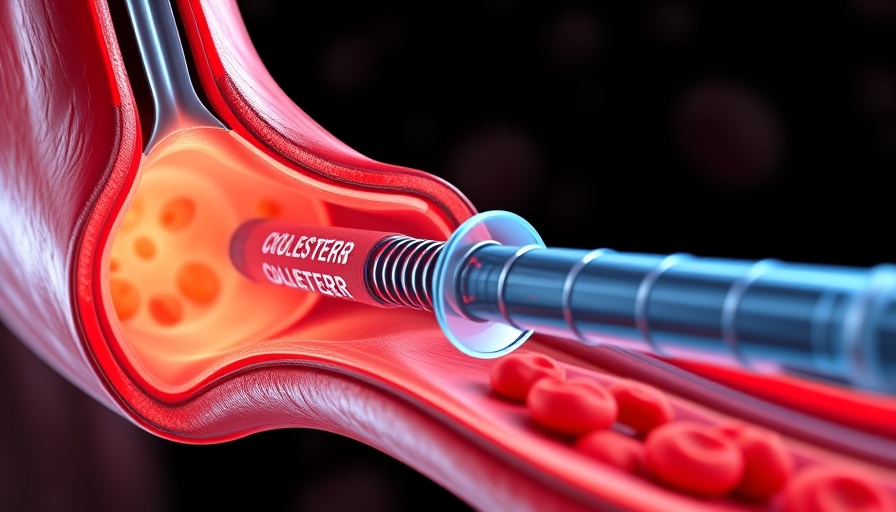
Illustration of stent in artery depicting heart health benefits.

The Reality Behind Stent Procedures: Understanding Their True Benefits

In recent years, controversial studies have revealed a stark reality about stent procedures: they may not be as beneficial as many believe. The COURAGE trial in 2007 highlighted that angioplasty with stents does not significantly reduce the risk of heart attack or death. Understanding this is crucial because while symptoms might improve, there is no genuine longevity benefit. Unfortunately, only a small fraction of patients recognize this critical detail, which begs the question of how well-informed they truly are when undergoing these procedures.

Why Are Patients Still Choosing Stents?

Despite the findings from the COURAGE trial and the more recent ORBITA trial that painted an even less flattering picture of stents—showing there is no difference between the actual procedure and a placebo—the popularity of stents continues. It's a perplexing situation: how can patients choose to undergo a procedure with dubious benefits? The answer may lie in the way healthcare providers convey information about treatment options. Many doctors fail to mention that the only result of stenting may be temporary relief, without addressing the deeper issues at hand.

Unpacking the Financial Incentives

A significant part of the equation relates to the financial incentives within healthcare. The surgical procedures, especially those involving stents, yield substantial profits for hospitals and physicians. According to a survey, a staggering 70% of doctors acknowledged that financial incentives influence the decisions to provide unnecessary procedures. This reality forces patients to question whether their physicians prioritize their health or their paychecks.

Real-Life Implications of Stent Procedures

Let's bring the conversation back to the patients. What does choosing to have a stent truly mean? Besides the financial costs that soar up to $40,000 for stent placement, there's also the risk of complications such as bleeding, strokes, or heart attacks—issues that can arise during or after the procedure. As patients, understanding these risks is vital to making an informed choice. For many, opting for lifestyle changes over surgical intervention could be a safer and more impactful route.

Considering Alternatives to Surgery

When faced with heart disease or symptoms like stable angina, patients often default to surgical options like stenting. However, embracing alternative treatments, such as lifestyle changes—diet, exercise, and stress management—can often yield better long-term outcomes with fewer risks. Community sports and physical activities play a pivotal role in promoting heart health, making them practical and engaging alternatives for those seeking to avoid surgical procedures. Local events and fitness trends encourage individuals to reconnect with their physical well-being, empowering them to manage their health effectively.

The Path to Healthier Choices

The decision to opt for stents or to consider surgical intervention prompts a larger conversation about healthcare awareness and patient education. It highlights the necessity for transparent communication between patients and healthcare providers. As patients continue to seek out ways to enhance their health, knowing the facts regarding their options empowers them to make informed decisions, potentially leading them to healthier lifestyle choices.

Call to Action: Take Charge of Your Health

It's essential to educate yourself about medical procedures and advocacy, especially concerning heart disease treatments. Discuss your options openly with your doctor, focusing on lifestyle changes in conjunction with any medical advice. Engage with community resources, such as fitness classes and group sports activities, to cultivate a healthier you. Be proactive about your heart health and inspire others to do the same!

Diet and Nutrition Tips

7 Views

0 Comments

Write A Comment

*
*
Please complete the captcha to submit your comment.
Related Posts All Posts
05.21.2026

Discover How Less Protein May Increase FGF21 for Longevity

Update Exploring Protein and Longevity: What Can We Learn? Have you ever thought about how what we eat can affect how long we live? Recent studies have started to shed light on the idea that eating less protein could be linked to longevity. Specifically, a hormone called FGF21 (Fibroblast Growth Factor 21) plays a crucial role in how our bodies respond to protein intake. This article delves into the fascinating relationship between dietary protein levels, FGF21, and longevity and what it could mean for your health. The Role of FGF21 in Aging and Metabolic Health FGF21 is a hormone produced primarily in the liver that helps the body regulate its metabolism. Researchers have found that lower protein diets lead to higher levels of FGF21, which might be responsible for various health benefits, including continued vitality as we age. In studies involving mice, those on a low-protein diet showed improved metabolic health and even lived longer than those eating typical levels of protein. This suggests that FGF21 is essential for harnessing the benefits of dietary changes. Evidence from Animal Studies: What They Show Us Research shows that when mice consume less protein, their lifespans may increase. One study highlighted that male mice lacking FGF21 did not experience the health benefits associated with protein restriction and actually faced challenges like increased frailty and a decrease in lifespan. Therefore, FGF21 might be the link that allows dietary protein restriction to lead to better health outcomes. How Can This Information Help Us? Understanding how protein levels affect aging could inform dietary choices for better health. Eating less protein may not only support metabolism but could also lead to a longer life. Although this research is still unfolding, it opens possibilities for different dietary patterns that could benefit human health. The Future of Diet and Longevity As we look ahead, the idea of tailoring diets based on hormonal responses, like those seen with FGF21, could revolutionize health recommendations. It raises intriguing questions: Could we develop specific diets that help us age more gracefully? What other factors play into the aging process that we have yet to discover? The potential for dietary modifications to support longevity is a thrilling frontier in nutrition science. A Summary: Towards a Healthier Future The conversation around dietary protein and longevity invites us to reconsider not only what we eat but also how it affects our health over time. As we explore the critical role of hormones like FGF21, we may find new pathways to enhance our well-being and longevity. Remember that your choices today can impact your life down the road! For those interested in optimizing health through diet, engaging with a nutritionist or dietitian can help personalize dietary choices, particularly as our understanding of protein intake and hormonal responses continues to evolve.

05.20.2026

How to Boost FGF21 Levels for a Longer, Healthier Life

Update Unlocking the Secrets of FGF21: The Longevity Hormone Have you ever heard of FGF21? This little-known hormone, discovered in the year 2000, has garnered attention for its potential to enhance our health and longevity. Officially known as Fibroblast Growth Factor 21, FGF21 plays a crucial role in promoting metabolic and arterial health. Exciting research shows that this hormone can help reduce body fat, support cardiovascular health, and even extend life! As we dive into the world of FGF21, we’ll explore how we can naturally boost its production and what that means for our health. How FGF21 Works: The Science Behind the Hype FGF21 operates as a metabolic signaling hormone produced mainly in the liver. It regulates energy expenditure and plays a significant role in weight loss without requiring a caloric deficit, similar to how caloric restriction functions. Studies have suggested that, in mice, FGF21 administration resulted in a staggering 30 to 40% increase in lifespan. What’s truly astonishing is that researchers found that FGF21 has the potential to target multiple health issues concurrently, including obesity and metabolic disorders. However, the challenge lies in the rapid breakdown of FGF21 in the human body, necessitating frequent injections for therapeutic use. This complexity has led pharmaceutical companies to investigate various longer-acting versions of this powerful hormone. A Natural Approach: Boosting FGF21 through Exercise If you’re looking for natural ways to enhance your FGF21 levels, the answer might be simpler than you think: get moving! Recent studies indicate that aerobic and resistance workouts significantly increase FGF21 production. Interestingly, resistance training showed a slightly higher increase, registering at a 42% boost compared to 25% from aerobic exercise. The takeaway? Incorporating both types of exercise into your routine can help elevate this vital hormone. Nourishing FGF21: What You Need to Know About Diet While exercise is essential, diet also plays a critical role in FGF21 production. Research from the University of Sydney has demonstrated that a low protein, high carbohydrate diet could be the most effective way to stimulate FGF21 levels. Oddly enough, this runs counter to the popular high-protein diet trend we’ve seen in recent years. Researchers found that in their study of various diets given to mice, those on a high carbohydrate, low protein regime displayed the highest levels of FGF21. This suggests that during the aging process, we might benefit more from a nutritional approach that embraces plant-based, carbohydrate-rich foods rather than protein-heavy diets. Just remember: moderation and balance are key! Fasting: Friend or Foe? Another intriguing method to boost FGF21 is through fasting. However, this technique is all about timing. While it may take as long as a week for FGF21 levels in humans to rise significantly, once achieved, fasting can quadruple these levels. While prolonged fasting isn’t sustainable for everyone, intermittent fasting could be an alternative to consider for those looking for a quick boost in FGF21. The Future of FGF21 Research and Longevity The potential of FGF21 as a therapeutic target is just beginning to be tapped. As researchers continue to unveil the mechanisms behind this longevity hormone, experts are hopeful that FGF21 could be utilized as a multi-faceted treatment for not only obesity and diabetes but also as a pro-longevity agent, changing how we think about aging altogether. For now, embracing a balanced diet, regular exercise, and possibly incorporating fasting into your routine could position you well in the quest for enhanced longevity through FGF21. Stay tuned for further insights into how dietary approaches can maximize the benefits of this amazing hormone. Take Charge of Your Health Today! As you explore new ways to lift your health and longevity, consider incorporating these approaches in your daily life. By cultivating habits that enhance FGF21 levels, you can potentially pave the way to a longer, healthier life! If you found this article insightful, share it with friends and family—let's spread the knowledge!

05.15.2026

Discover How Prebiotic Foods Boost Your Gut Health Naturally

Update Unveiling the Power of Prebiotic Foods for Gut Health Our gut ecosystem, home to trillions of microorganisms, plays a crucial role in our overall health, and the concept of prebiotics is integral to maintaining this balance. As a society, we have often failed to nourish our beneficial gut bacteria, primarily by not meeting our fiber intake goals. Prebiotic foods, rich in fiber, are essential as they serve as nourishment for our gut bacteria, keeping them thriving and, in turn, enhancing our health. The Importance of Fiber in Our Diet Fiber is often labeled as a simple dietary component, yet its role is pivotal. It was historically recognized merely for aiding digestion, but science has shown that fiber communicates directly with our body's immune systems, influencing overall health. Research has demonstrated that high-fiber diets can lead to a decrease in inflammatory markers, suggesting a protective mechanism facilitated by our gut microbes, which ferment fiber to produce beneficial short-chain fatty acids (SCFAs). These SCFAs are crucial for gut health and systemic anti-inflammatory effects. What Are Prebiotics? Prebiotics are compounds found in certain foods that are not digestible by humans but play a critical role in gut health. Examples include inulin, fructo-oligosaccharides, and resistant starches; these compounds act as food for beneficial gut bacteria. The remarkable synergy between prebiotics and probiotics is that while prebiotics feed our good bacteria, probiotics help restore and maintain the balance of our gut microbiome. The Gut Microbiome: A Balancing Act The gut microbiome is a dynamic community of microorganisms that influences not just digestive health but our immune system, metabolic processes, and even mental health. An imbalance between good and bad bacteria can lead to various health issues, from gastrointestinal disorders to metabolic syndrome. Prebiotics are essential in promoting the growth of beneficial bacteria like Bifidobacterium and Lactobacillus, helping to restore this balance. Research suggests that increasing prebiotic intake can lead to improvements in gut health, aiding digestion and enhancing nutrient absorption. Health Benefits Linked to Prebiotic Consumption Numerous studies have linked increased prebiotic consumption with improved health outcomes. For instance, clinical findings show that higher intake of prebiotics can lead to enhanced calcium absorption, better blood sugar control, reduced risks of colorectal cancer, and reduced incidence of inflammatory diseases. Interestingly, a study revealed that those consuming adequate amounts of prebiotic foods tended to make healthier dietary choices, demonstrating the profound influence these foods can have on lifestyle. Practical Tips for Increasing Prebiotic Intake To harness the benefits of prebiotics, individuals can incorporate a variety of high-fiber foods into their diet. Focus on fruits (like bananas and apples), vegetables (such as garlic, onions, and asparagus), and whole grains. Start by gradually increasing fiber intake to avoid digestive discomfort, and consider a plant-based approach which is generally rich in prebiotic fibers. Realizing the Potential of Prebiotics Embracing prebiotic-rich foods can significantly enhance our health by fostering a balanced gut microbiome. With most people consuming only about half the recommended daily fiber intake, the opportunity to improve overall health through dietary changes is substantial. As we increasingly understand the gut's influence on various bodily functions, integrating fiber-rich, prebiotic foods into our daily regimen is a beneficial step towards holistic health. Call To Action If you're seeking to improve your gut health and overall well-being, consider shifting your dietary focus towards prebiotic-rich foods. Start today by including more fruits, vegetables, and whole grains in your meals, and experience the benefits firsthand!

Terms of Service

Privacy Policy

Core Modal Title

Sorry, no results found

You Might Find These Articles Interesting

T
Please Check Your Email
We Will Be Following Up Shortly
*
*
*